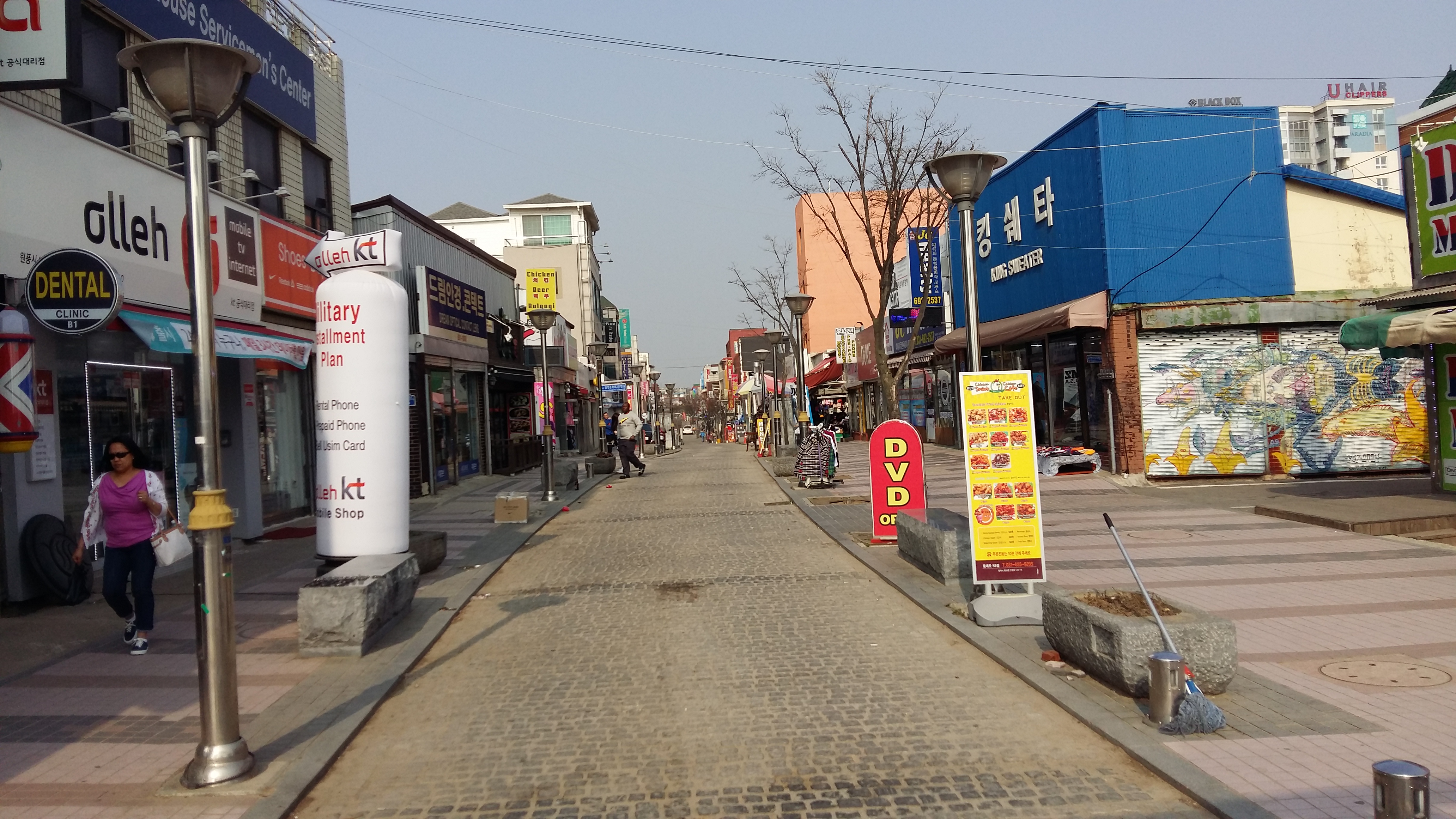
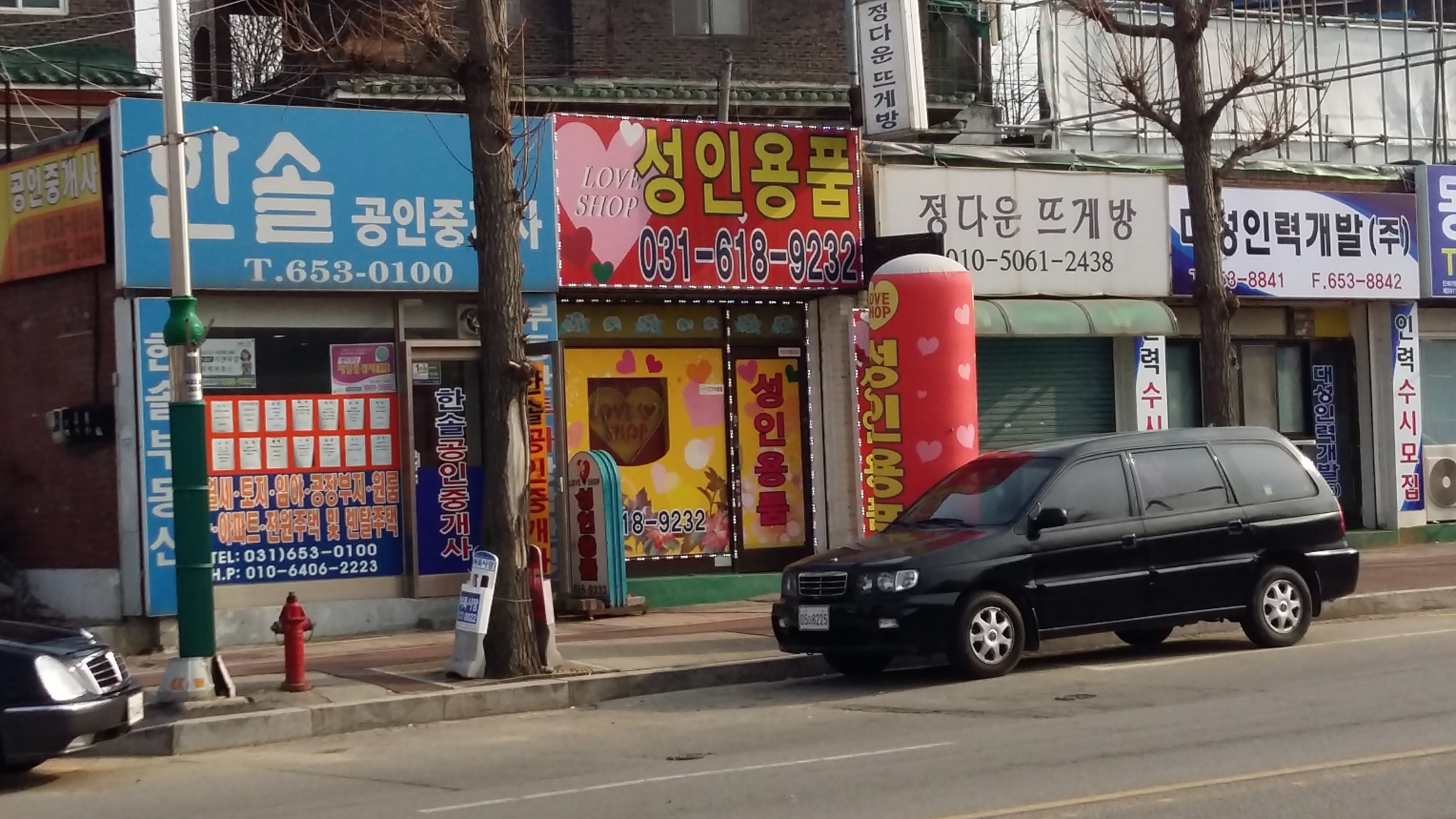
Spending the weekend at Camp Humphreys to spend time with my battalion chaplains and attend some of their events and worship services, I took some of my free time to go out the “walk-through” gate into the area of Pyeongtaek directly beside the base. I walked up the road in the area affectionately (or not so much) called by the Soldiers, “the Ville.” This is pretty much the main part of town that our Soldiers can get to easily and contains a combination of restaurants, bars and a variety of stores. Here’s a few pictures of my stroll in the “Ville”:
.
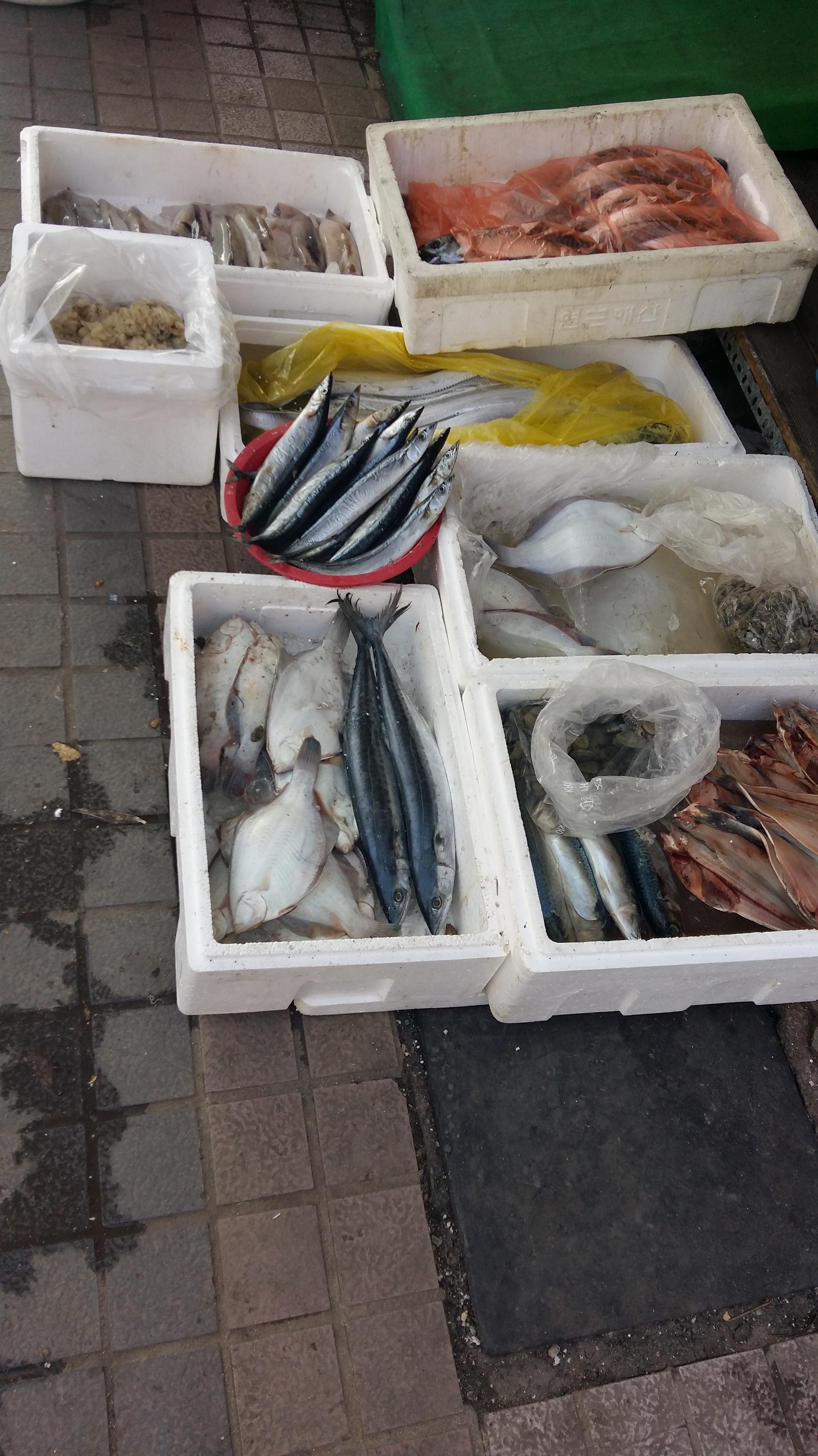
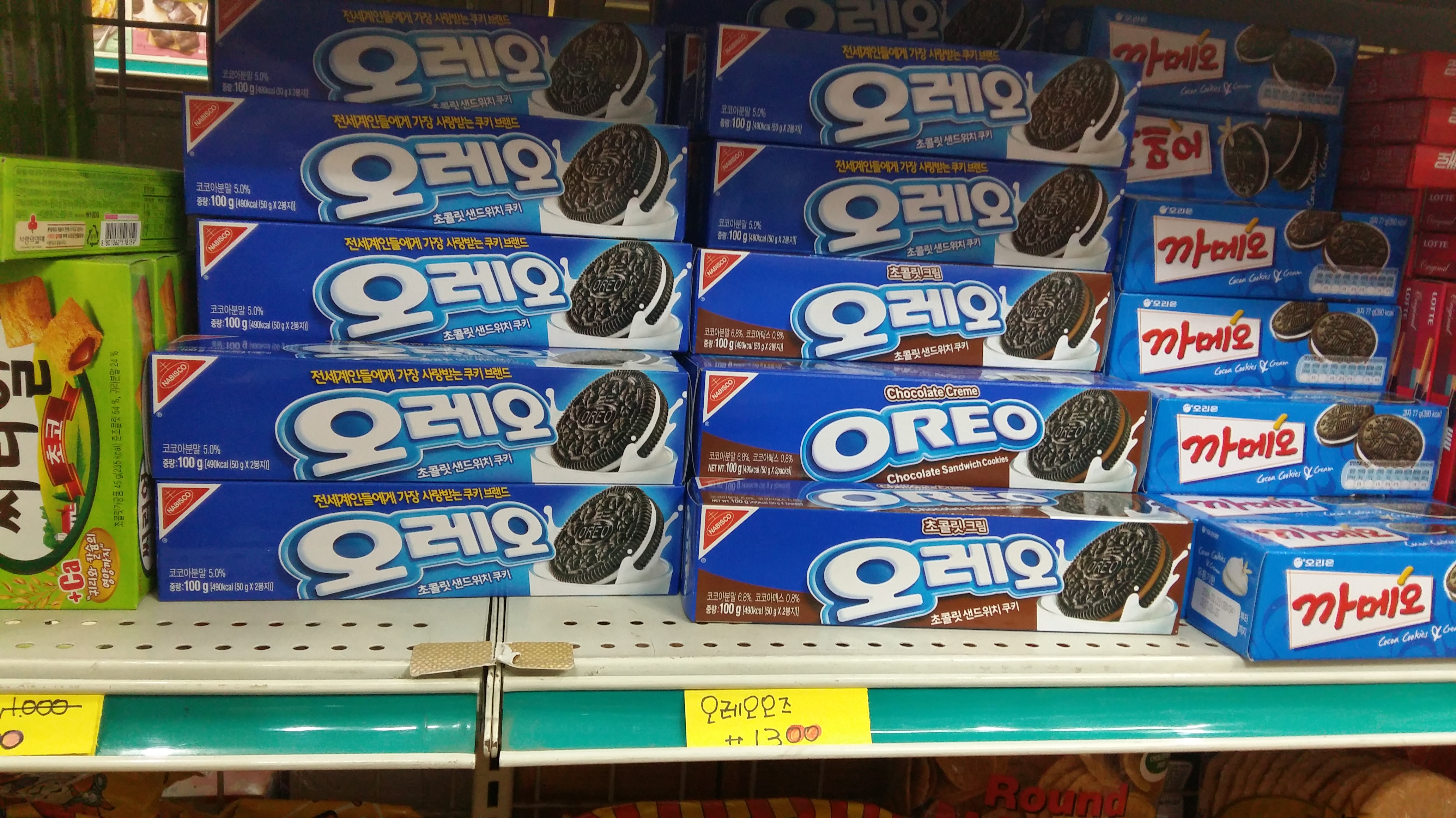
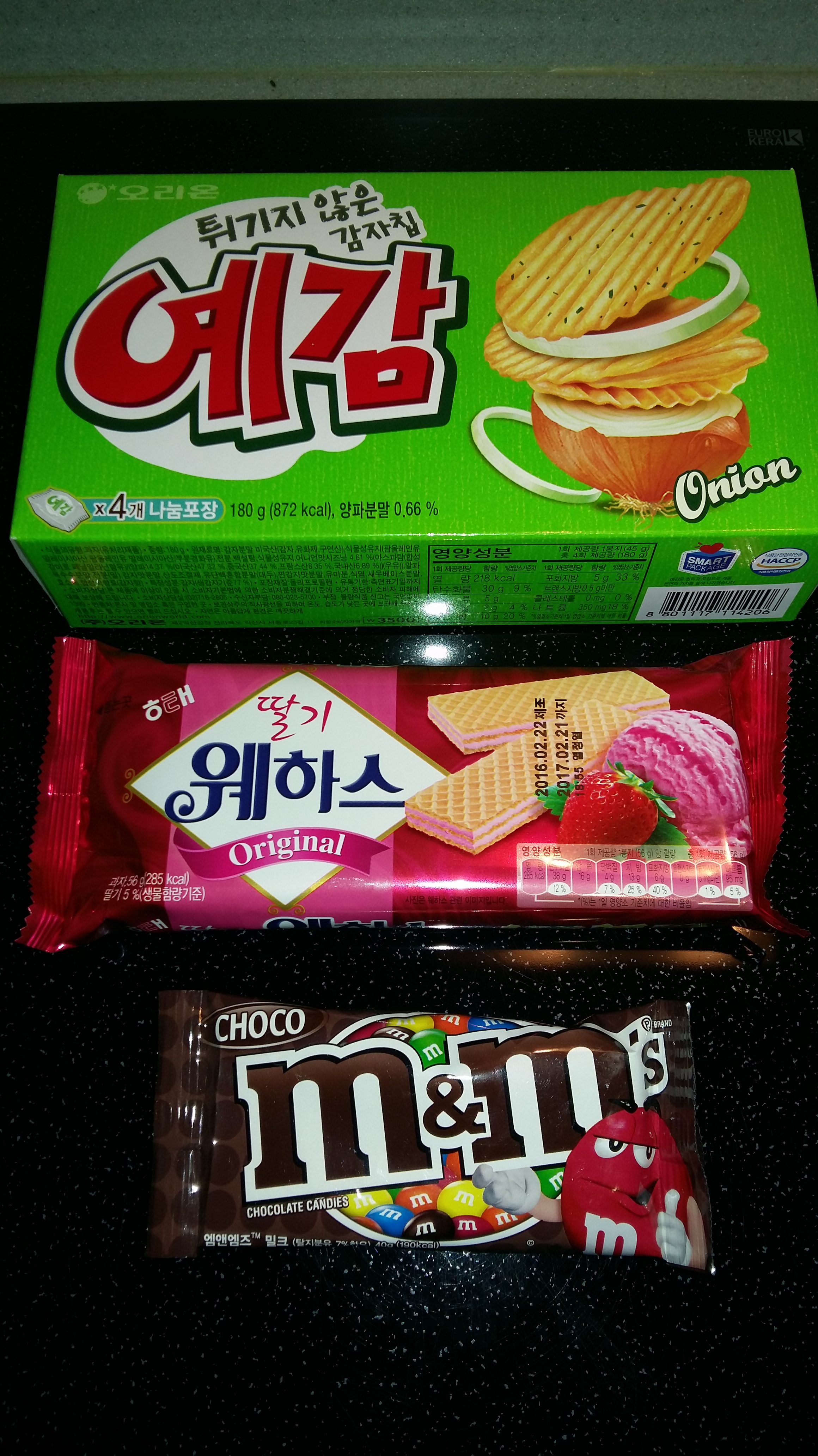
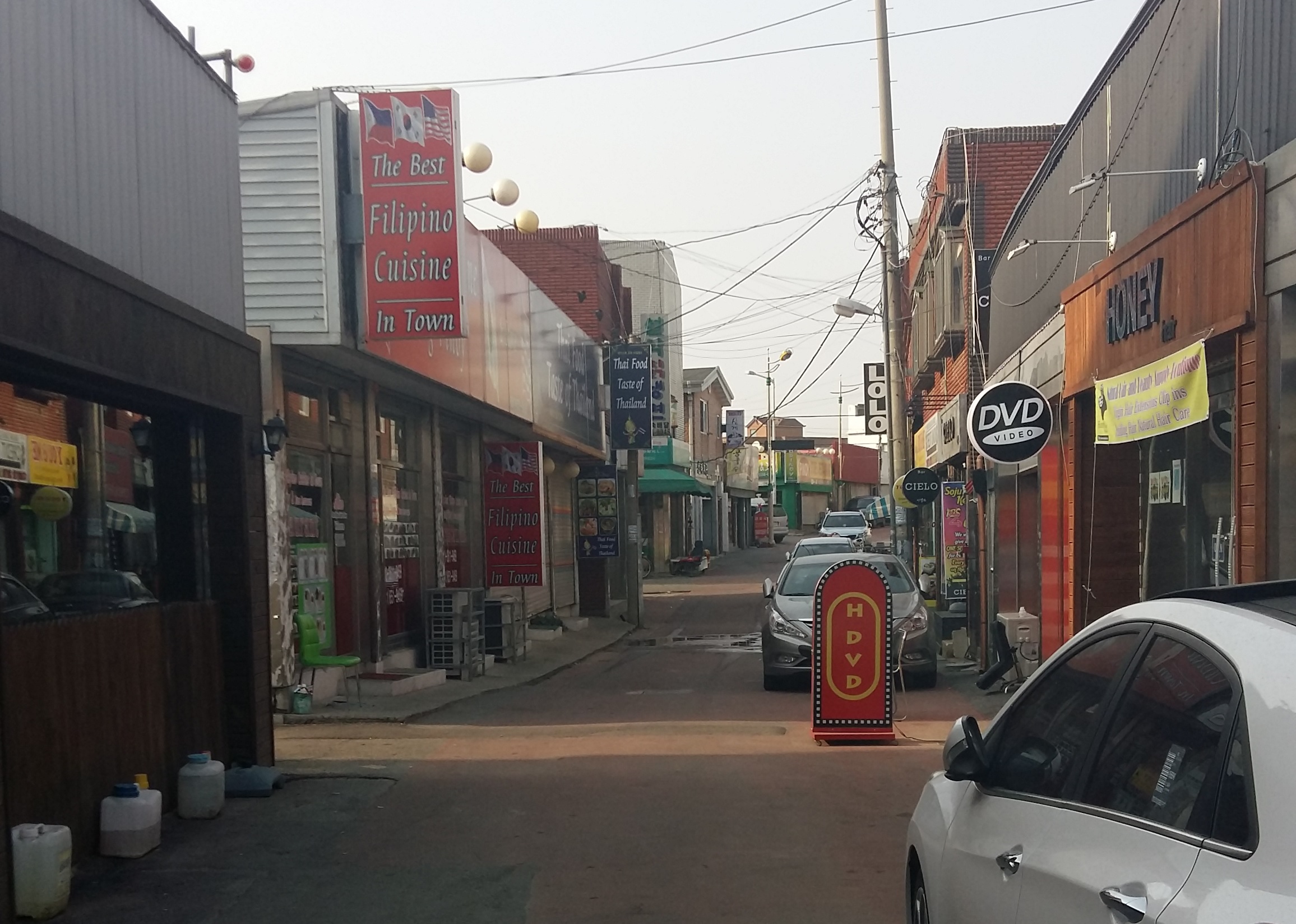
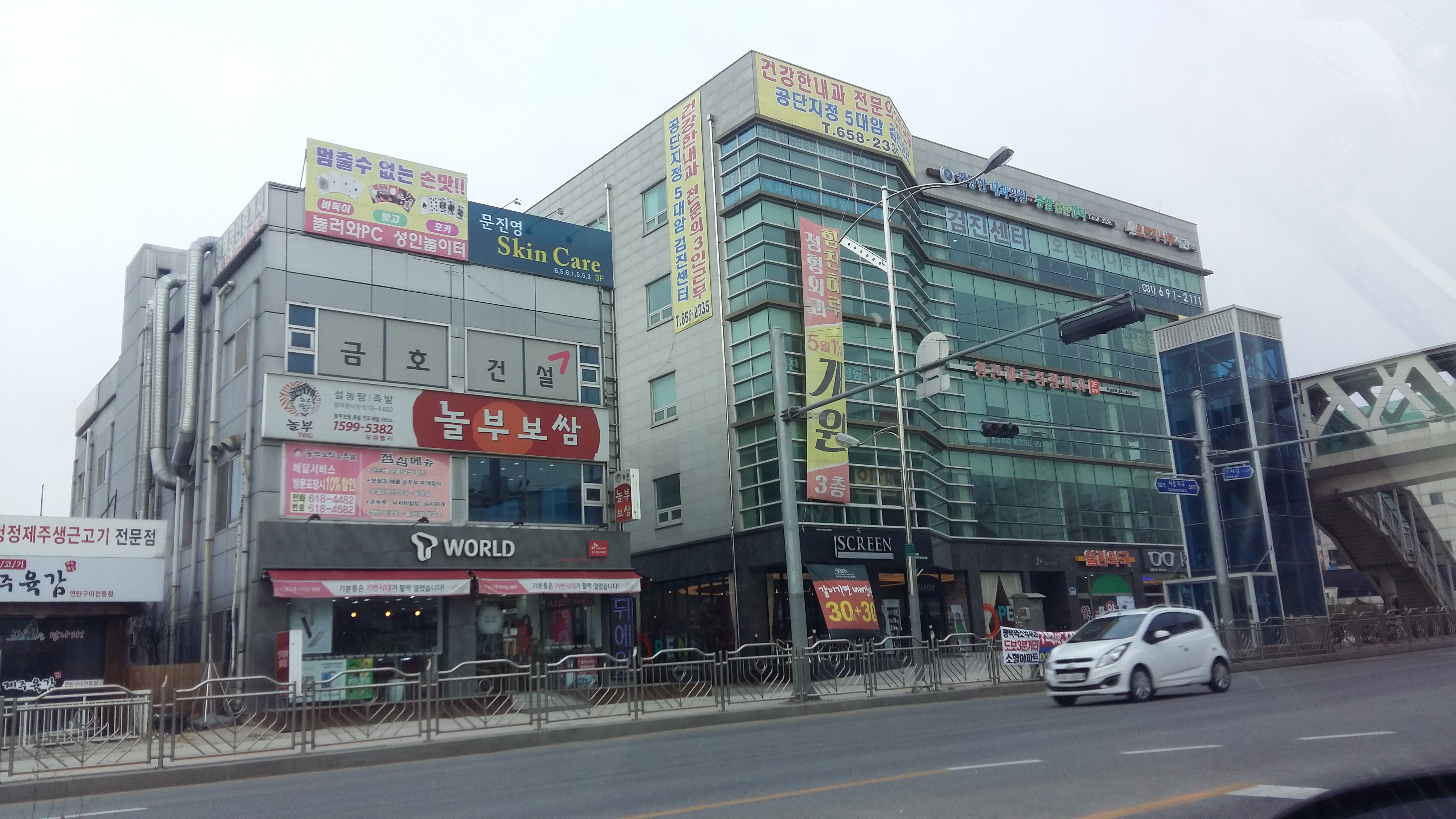
A view down the main road of the “Ville”Several tailors can be found outside of any of the military posts in Korea to include Camp Humphrys. I think I’ll go with the red one…Looks like this used to be some kind of snack bar. I wonder why it didn’t survive. I don’t think it was the “Hooters” the Soldiers were expecting!A view down one of the side roads……and then you see this: The Royal Hotel.The elaborate side of the Royal HotelOne of the places Soldiers need to stay away from!There are several military surplus stores outside of Camp Humphreys in the “Ville.” Here’s one of the largest ones.Stores of all kinds line the road in the “Ville.” Here’s a fish market.Another market has a variety of food, some very familiar!They’re Gr-r-reat!I had to get a few snacks from this market.A view down another road in the “Ville.” No end to shops.So you can find Korean Food in Korea!A “shady” looking alley in the “Ville.”Interesting street art. Looks like how many people drive!There’s never a shortage of food to eat. Not sure how safe some of the places are, though…There’s also a variety of ethnic foods. Down this side road is Filipino and Thai restaurants.I decided to eat at Nazar Kebab, a Turkish restaurant my chaplains took me to last weekend.
.
Small and large communities of businesses crop up outside of military bases all over the world and contain their share of nice places and not-so-nice places. The benefit of these business communities is that the military personnel have a place to shop and eat, offering a change from the common on-post establishments. In turn, money spent by these Service Members go into the local economy to help those who live and work in the area.
I make a lot of trips to Camp Humphreys, but seldom take many pictures. Last week I had a little more time, so took more pictures. Here is what I saw, with no commentary (click on a picture to enlarge it):
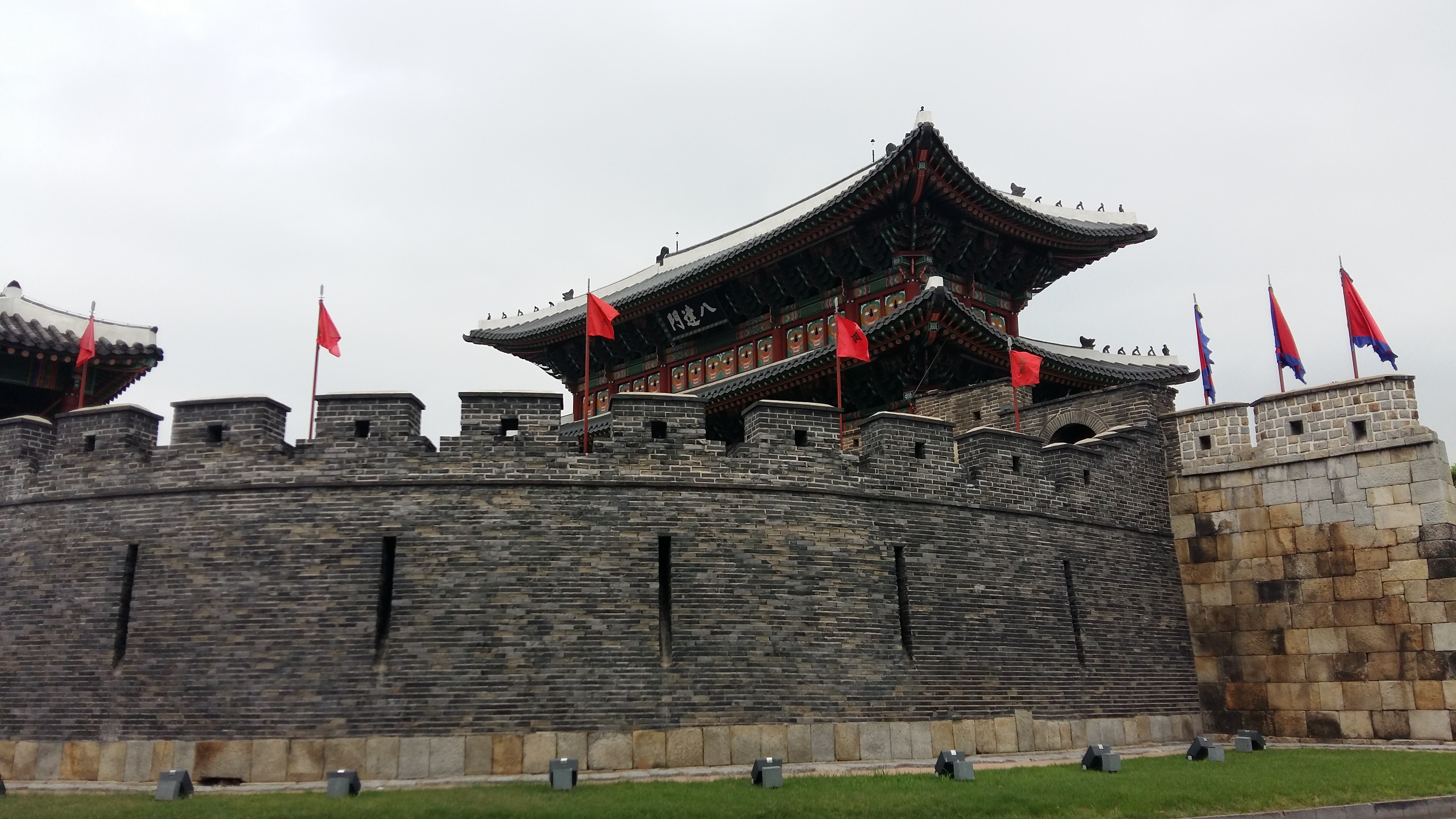
As we got off of the bus, we were greeted by this portion of the fortress.
One of the commander’s programs that I run as the chaplain is an orientation for newcomers to the brigade which gives newly-arrived Soldiers guided experience using public transportation, visiting a cultural site and eating at a Korean restaurant. Not wanting my first time there to be when I lead my first group, today my chaplain assistant took me, along with my incoming assistant and our KATUSA, on the trip to “recon” the site and “rehearse” our movement.
On the right is my present (but leaving) chaplain assistant; on the left is my new one and in the middle is my KATUSA.
We started by meeting on post near the dining facility then taking the post shuttle to the gate. Exiting the gate, we walked to the train/subway station and got on the #4 southbound train (toward Samgakji) at the Sookmyung Women’s University stop. After changing trains in Geumjeong onto the #1 southbound (toward Gunpo), we arrived at the Suwon station. Making our way to ground level, we caught a bus (can take either the #11 or #13) to the fortress. After visiting the fortress then walking to the restaurant for lunch, we made our way back to the bus stop (again, either #11 or #13 in the same direction) for our return trip to Yongsan via the #1 northbound back to Geumjeong then the #4 northbound. On the return trip, however, we got off at the Samgakji stop which was a bit shorter of a walk onto post (and out of the now falling rain).
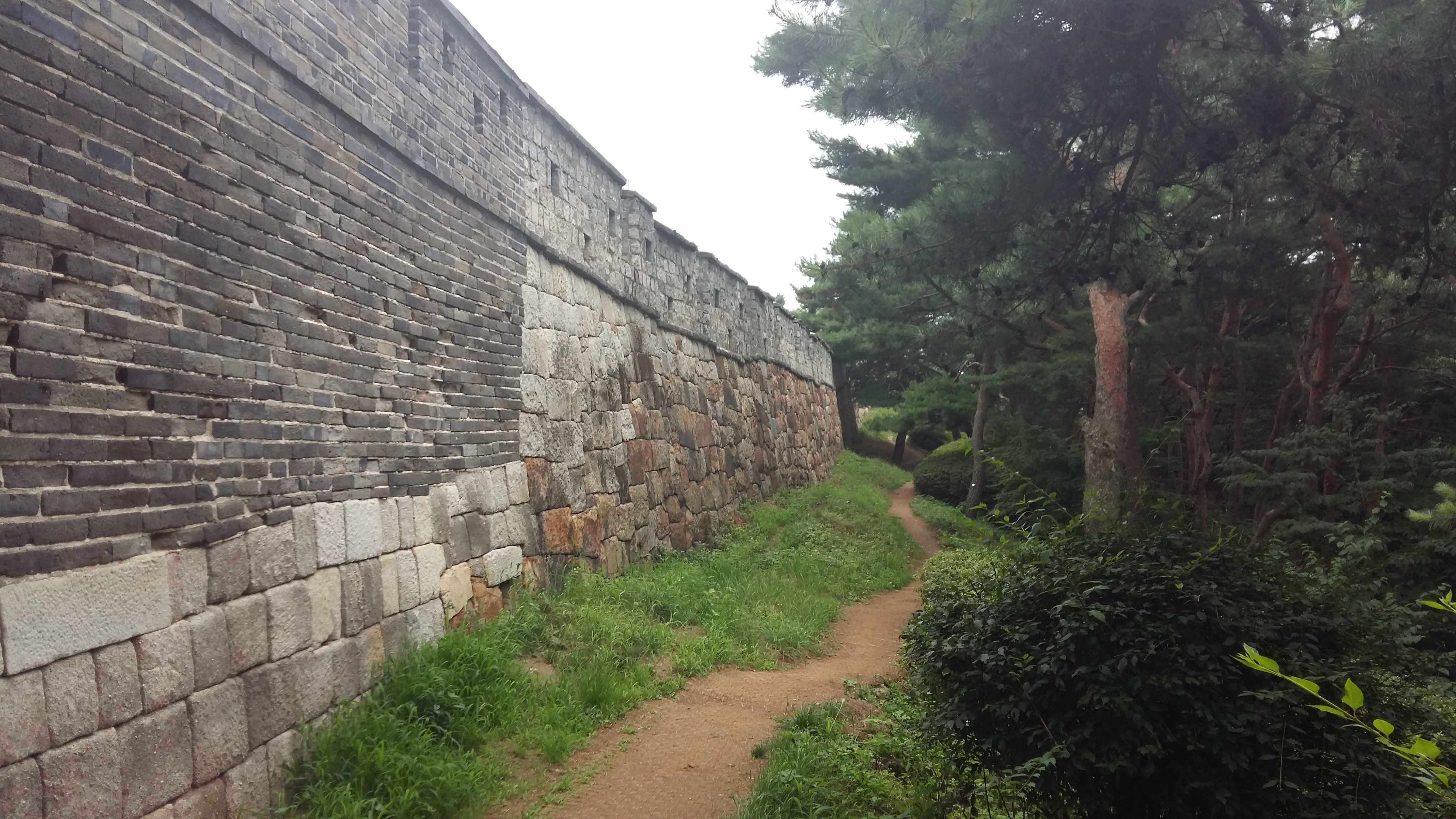
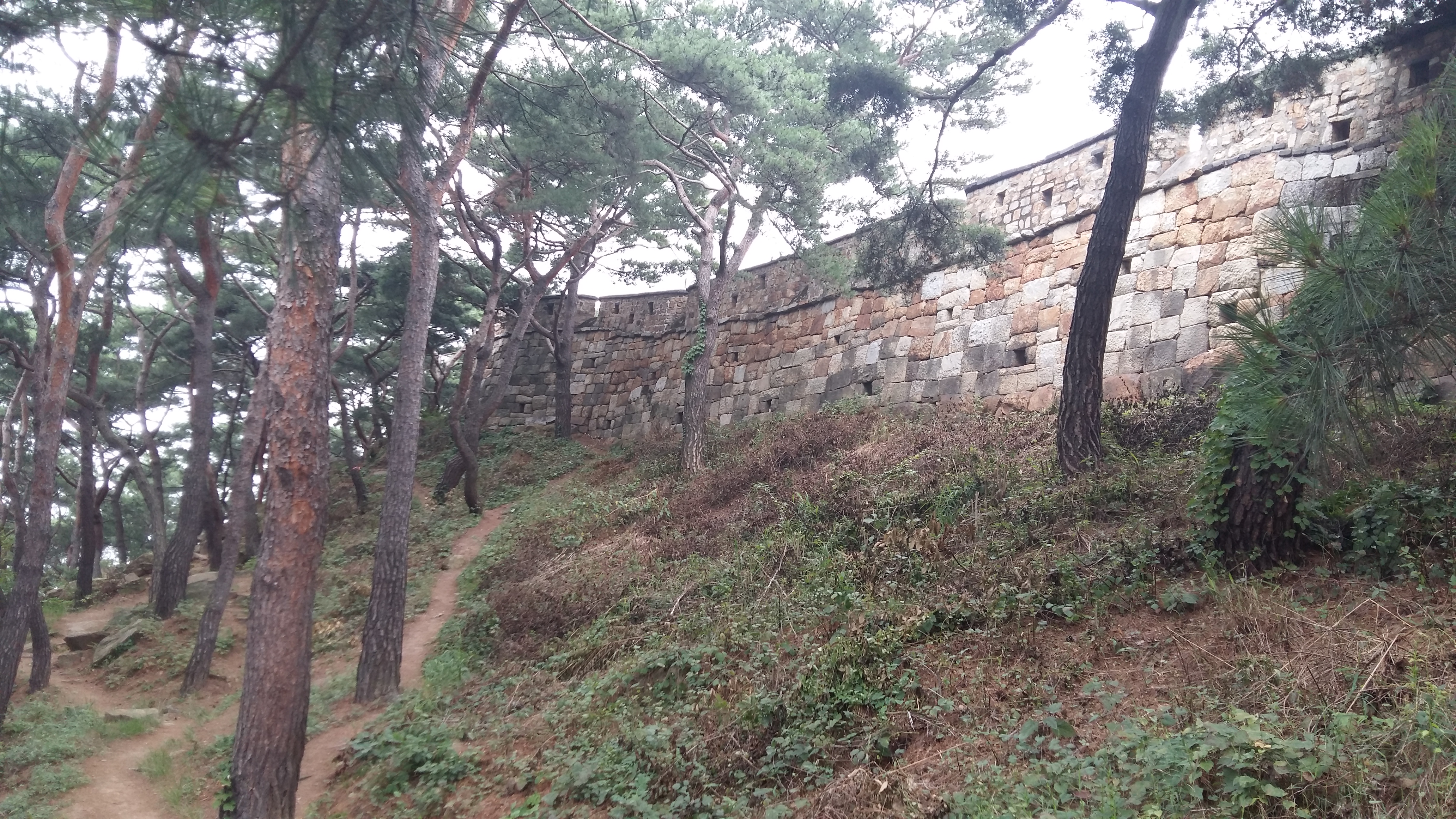
The Suwan Hwaseong Fortress was an interesting site to see, and we just saw part of it. According to the visitor’s map:
Suwon Hwaseong Fortress, Historic Sites No. 3, was built over two years and nine months, from January 1794 to September 1796, by King Jeongjo, the 22nd king of the Joseon Dynasty, to move the tomb of his father Crown Prince Jangheon, also known as Crown Prince Sado, because of his filial duty to his father.
The wall is approximately 5.7 kilometers long (varies between 4 to 6 meters at different points) and was designed by the silhak scholars Yu, Hyeong-won and Jeong, Yak-yong. It is known as a unique structure in the history of architecture because of its use of stones and bricks together in a modern fortress structure to deflect arrows, spears, swords, guns, and cannons; its use of standardized materials; and its use of new scientific and practical mechanic apparatuses such as Geojunggi.
For 200 years, the walls and structures had been collapsing, particularly during the Korean War. The restoration and repair of the fortress began in 1975, based on books that recorded in detail the Suwon Hwaseong Fortress Construction called Hwaseong Seongyeokigwe.
Suwon Hwaseong Fortress was registered as a World Heritage Site in the 21st Assembly of the UNESCO World Heritage Committee in Napoli, Italy on the 6th day of December 1997.
Here are some more pictures from our trip. In some of them, it may appear as though we are having a good time, but in reality we were working…hard!
Starting our trip on the post shuttle…On the train on the way to Suwon, my assistant struck up a conversation with an old Korean.
.
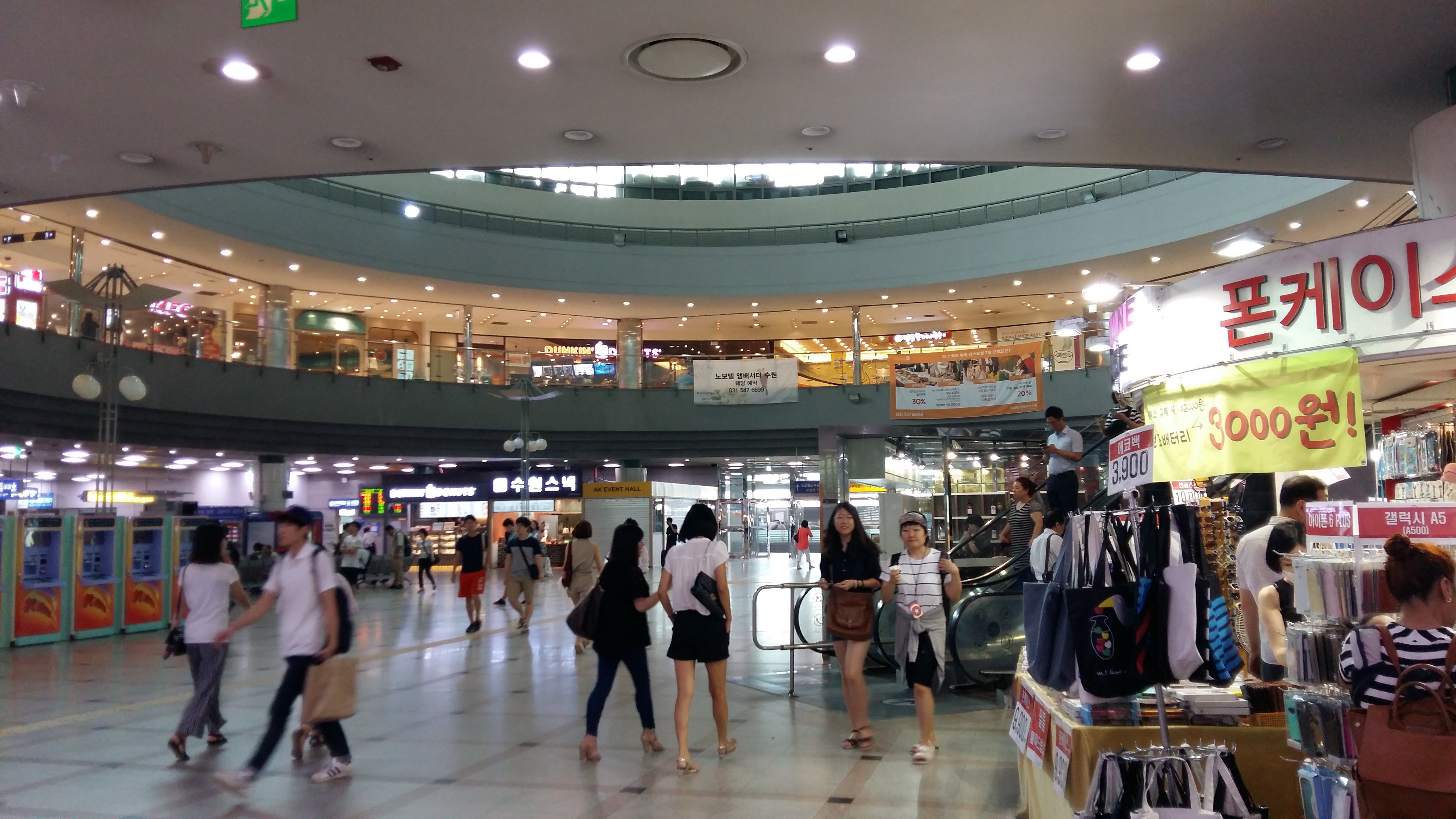
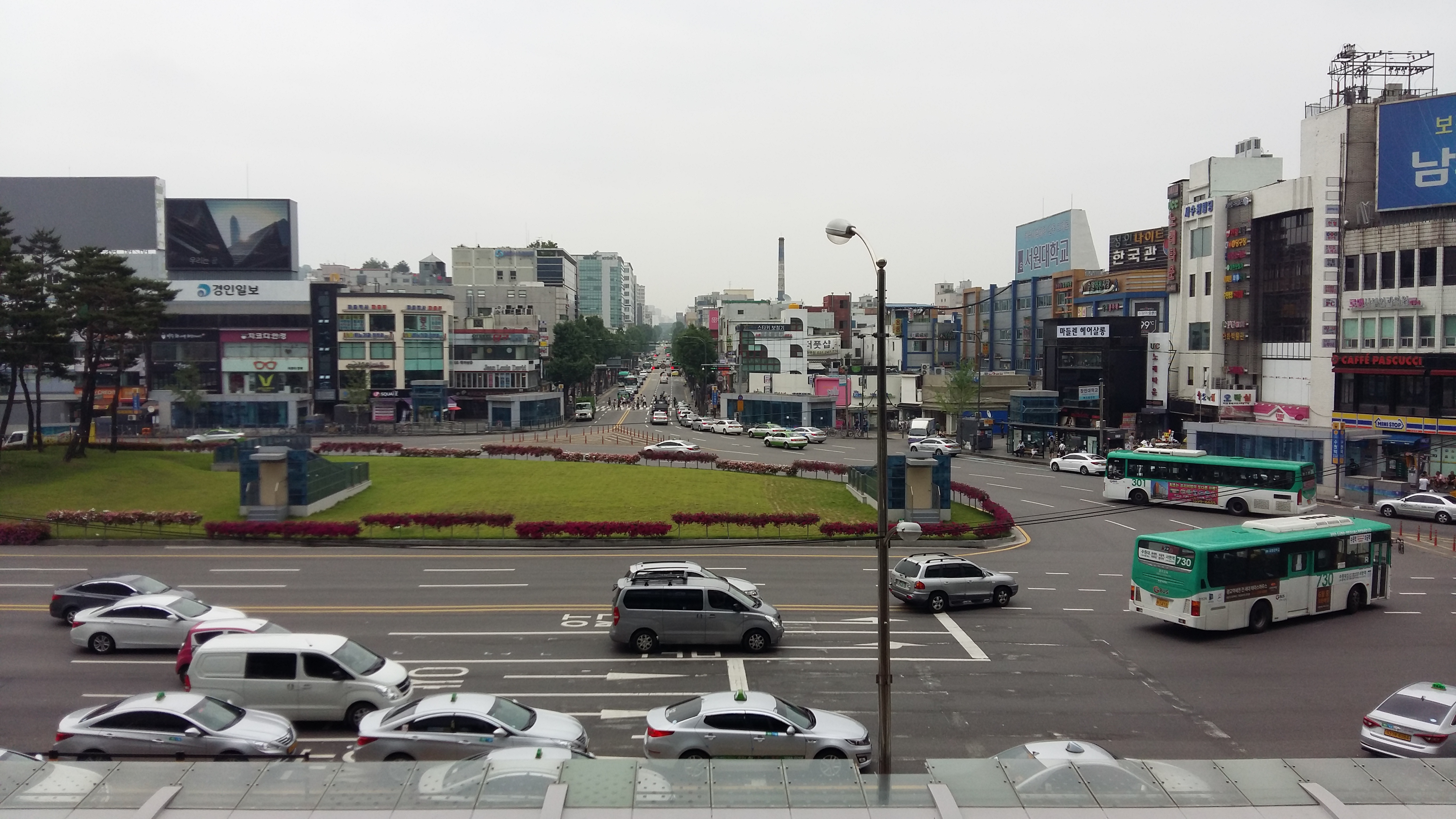
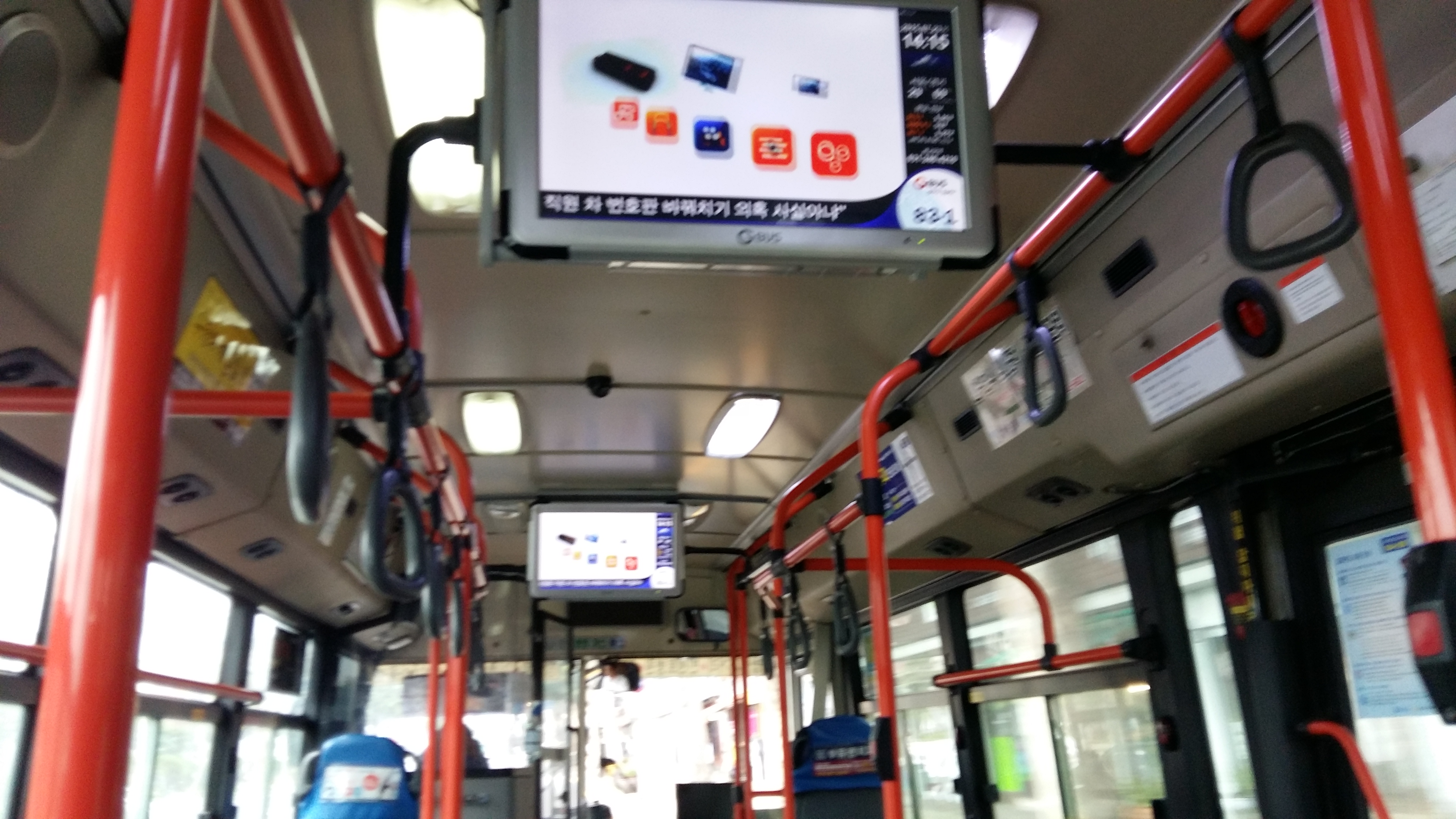
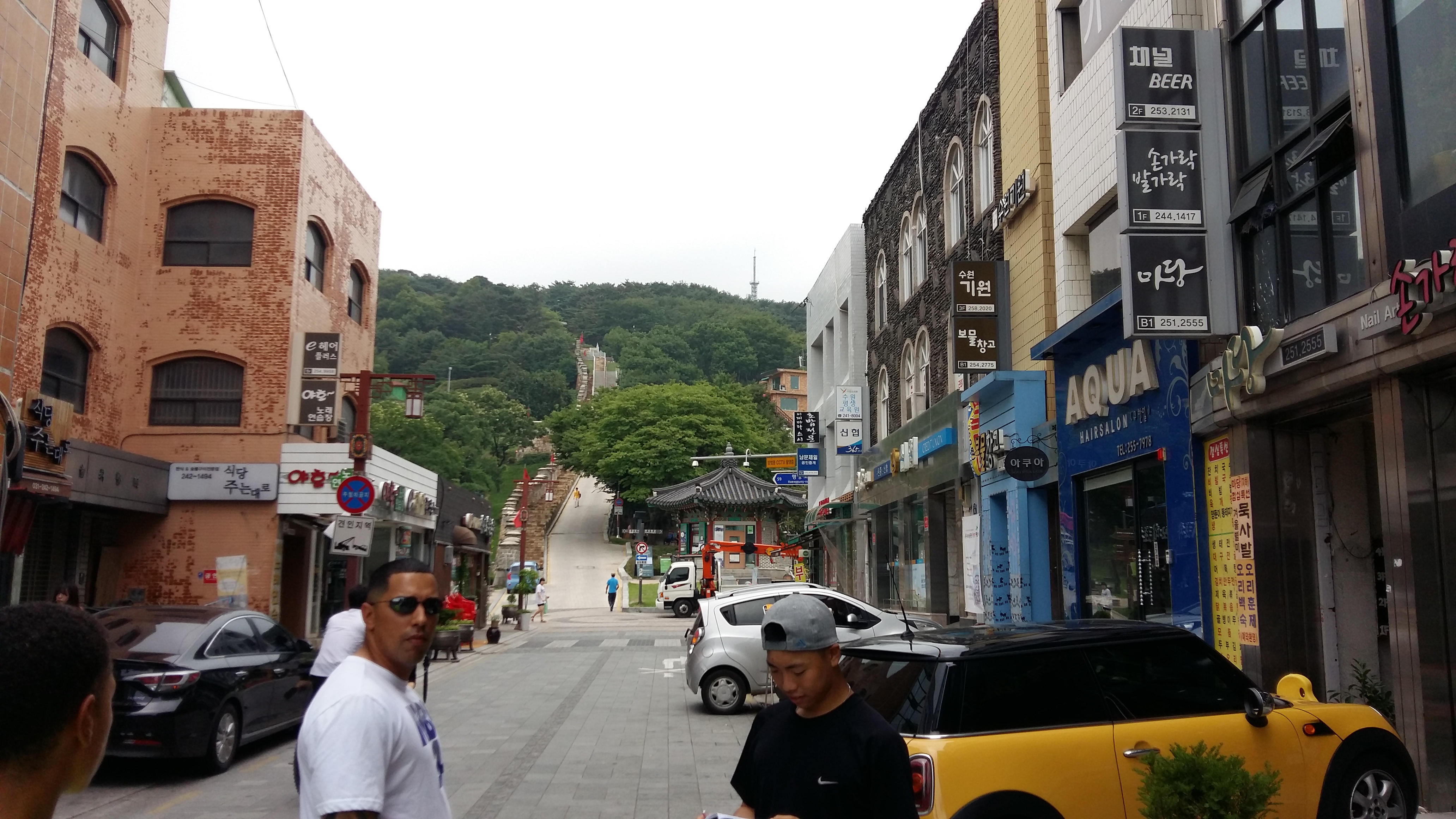
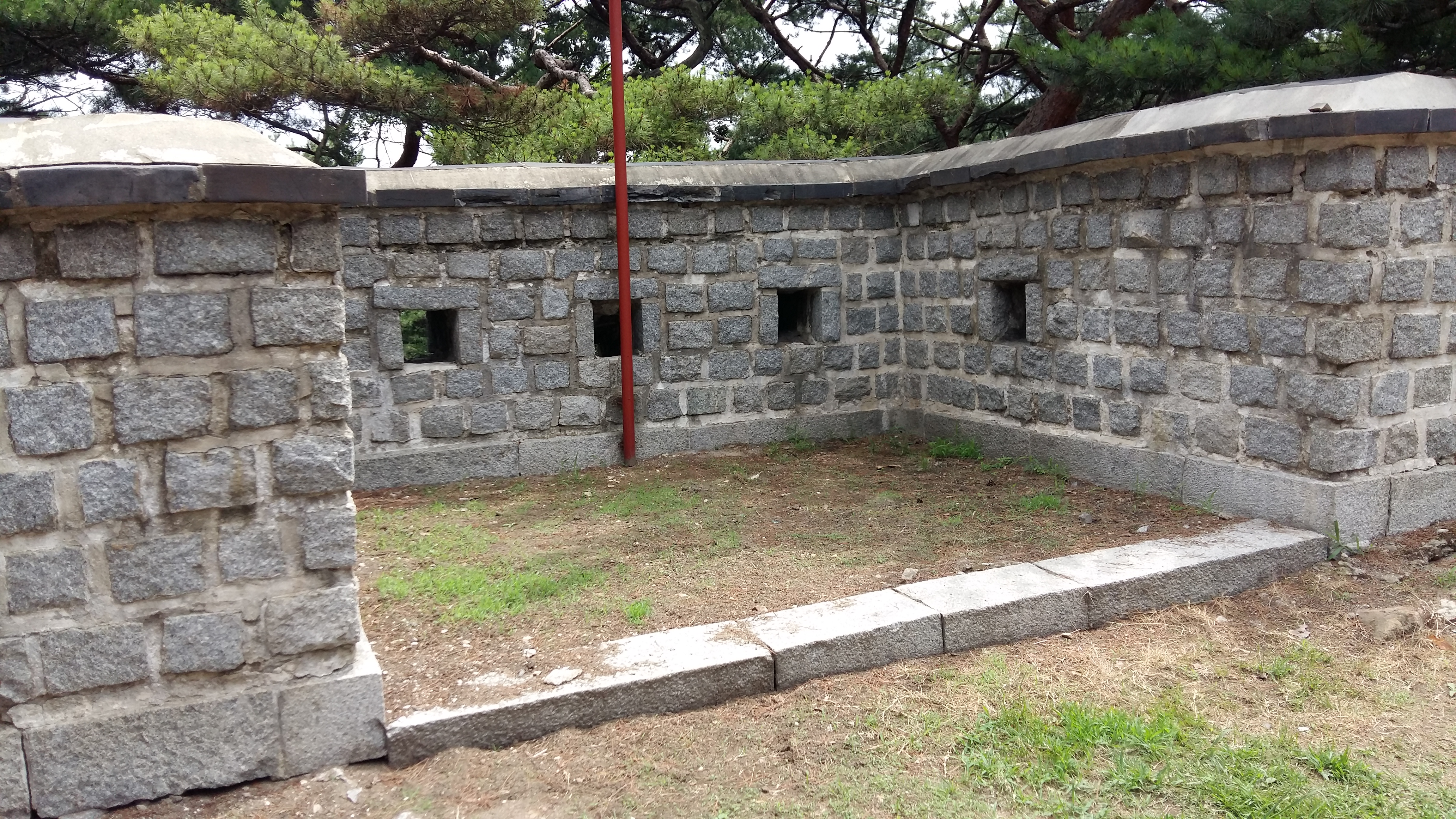
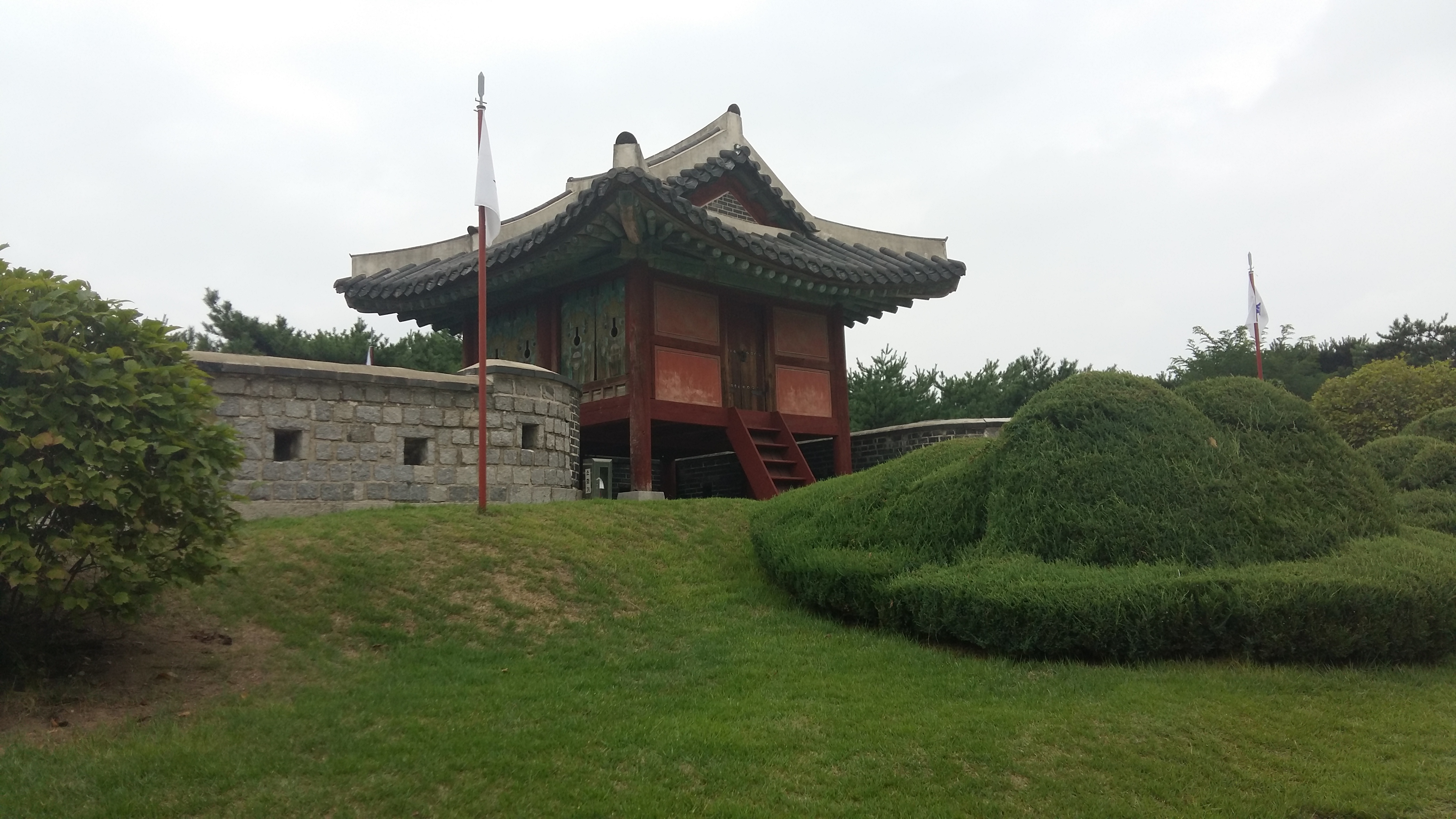
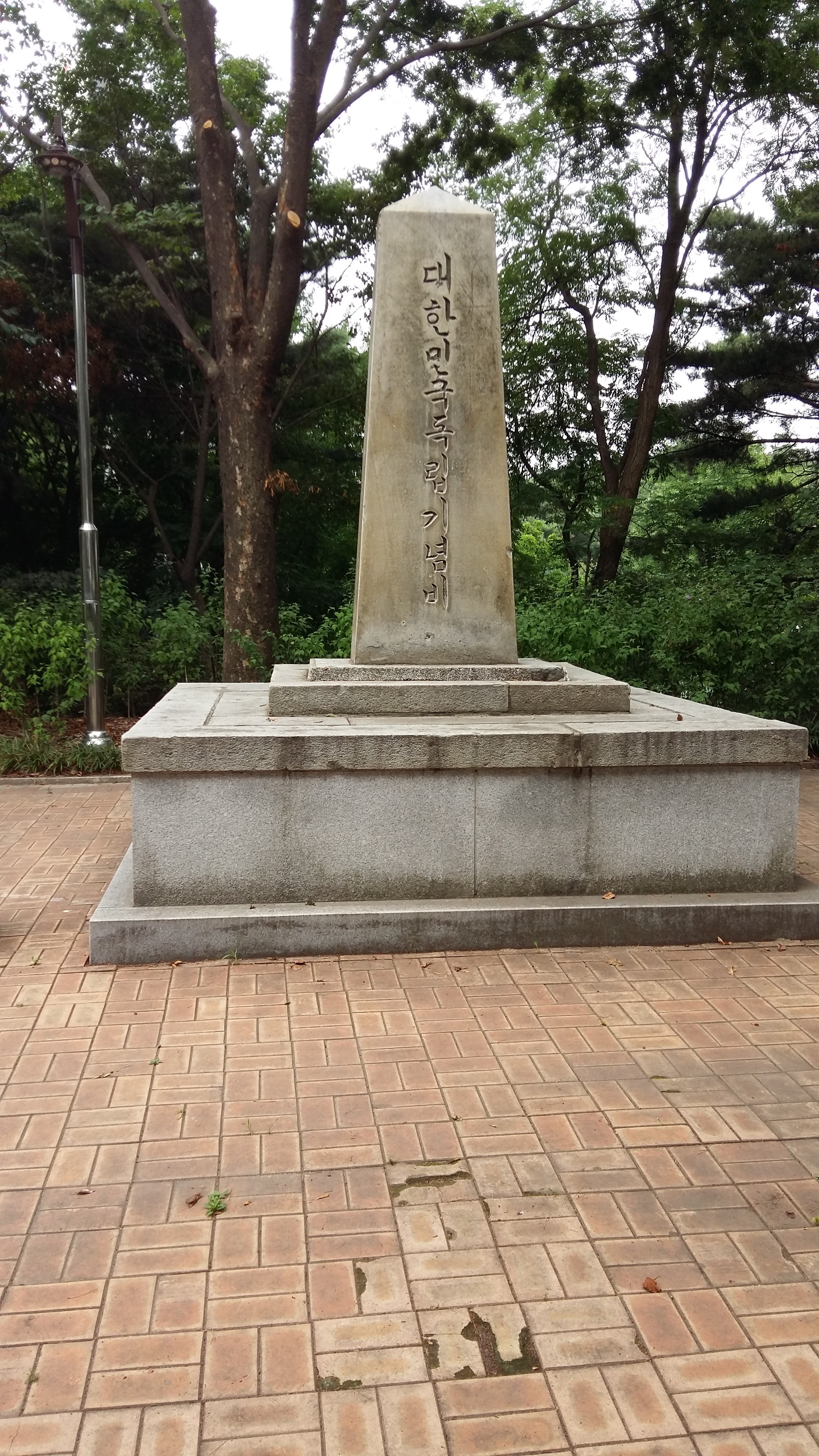
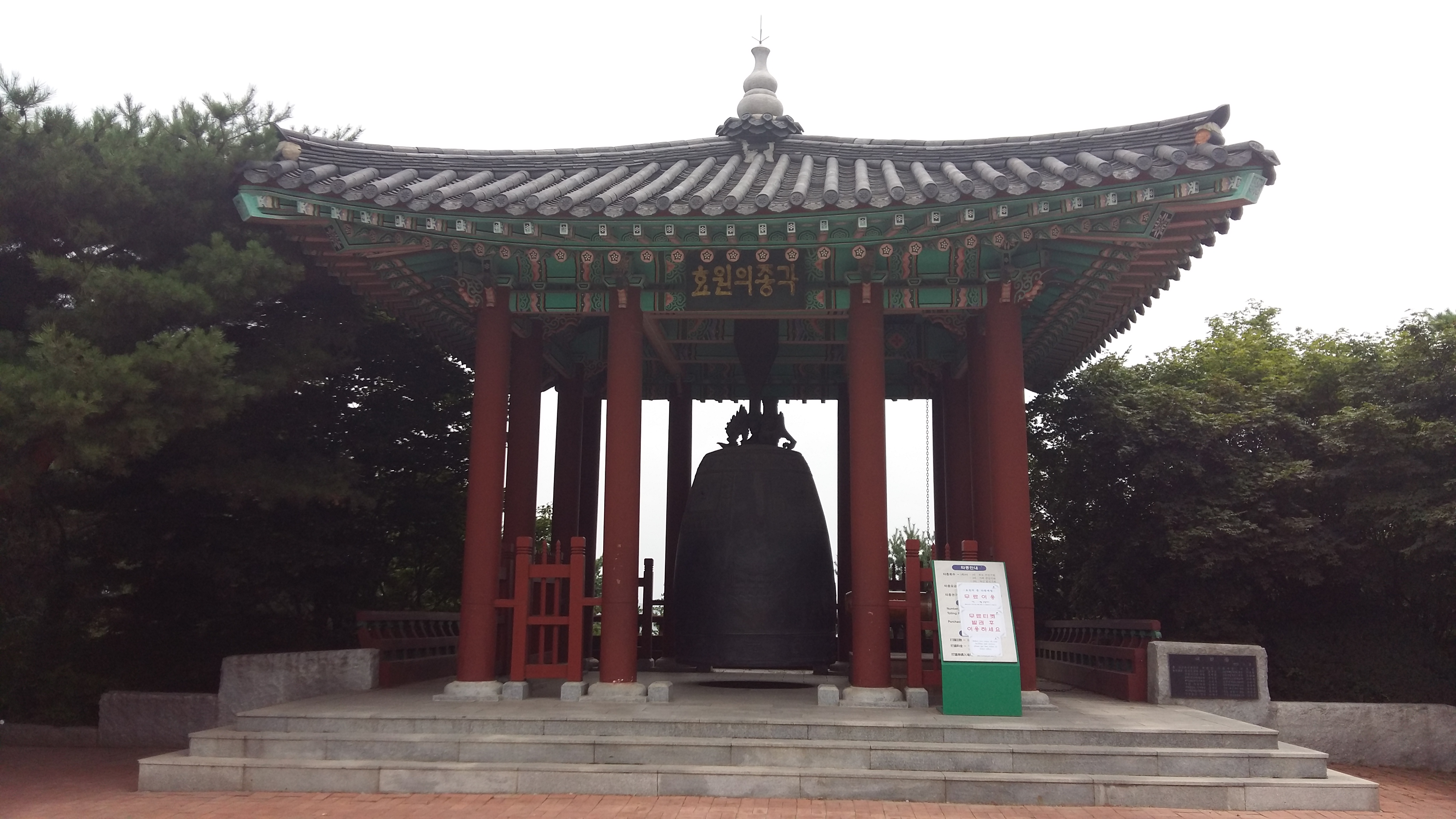
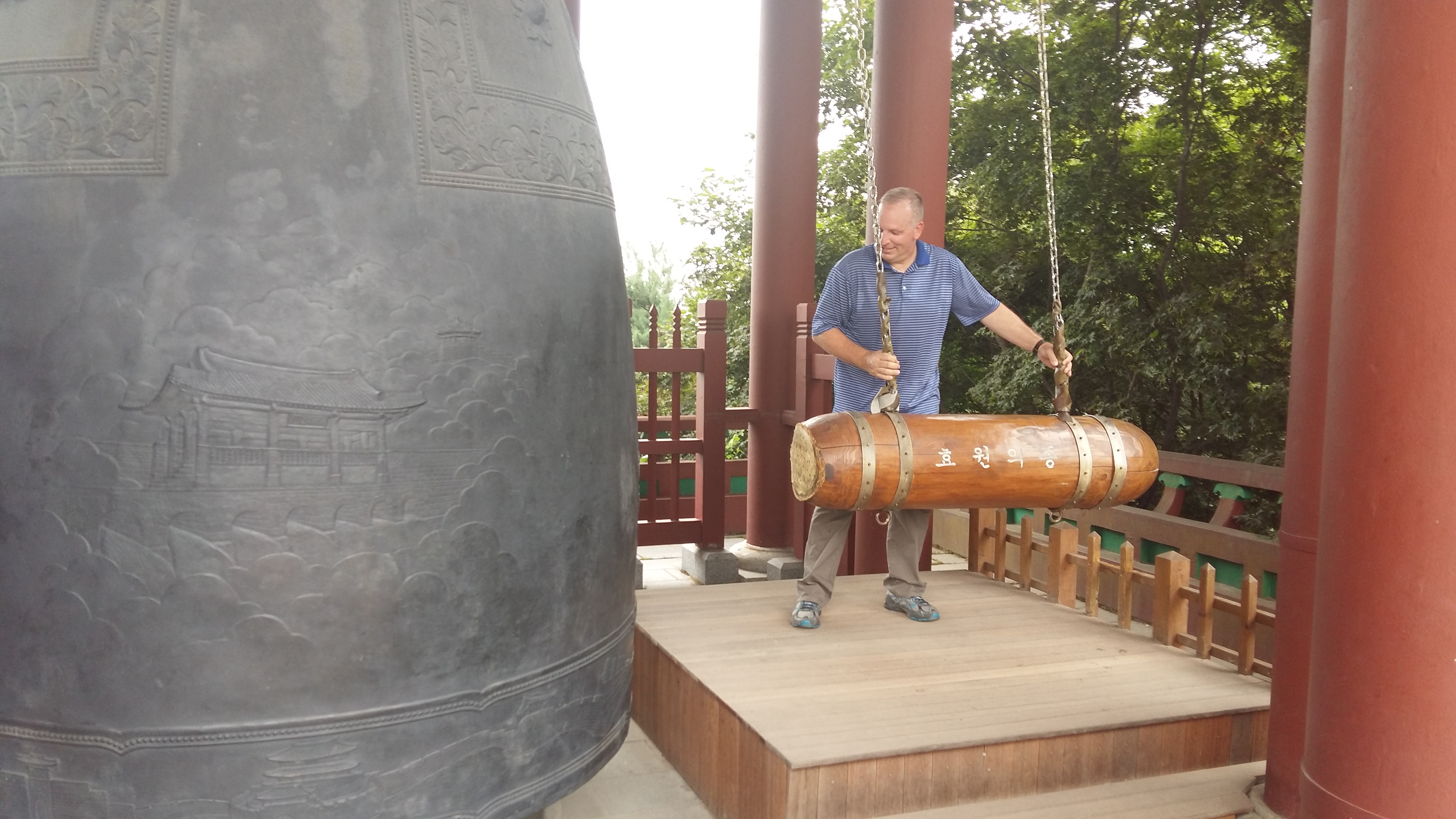
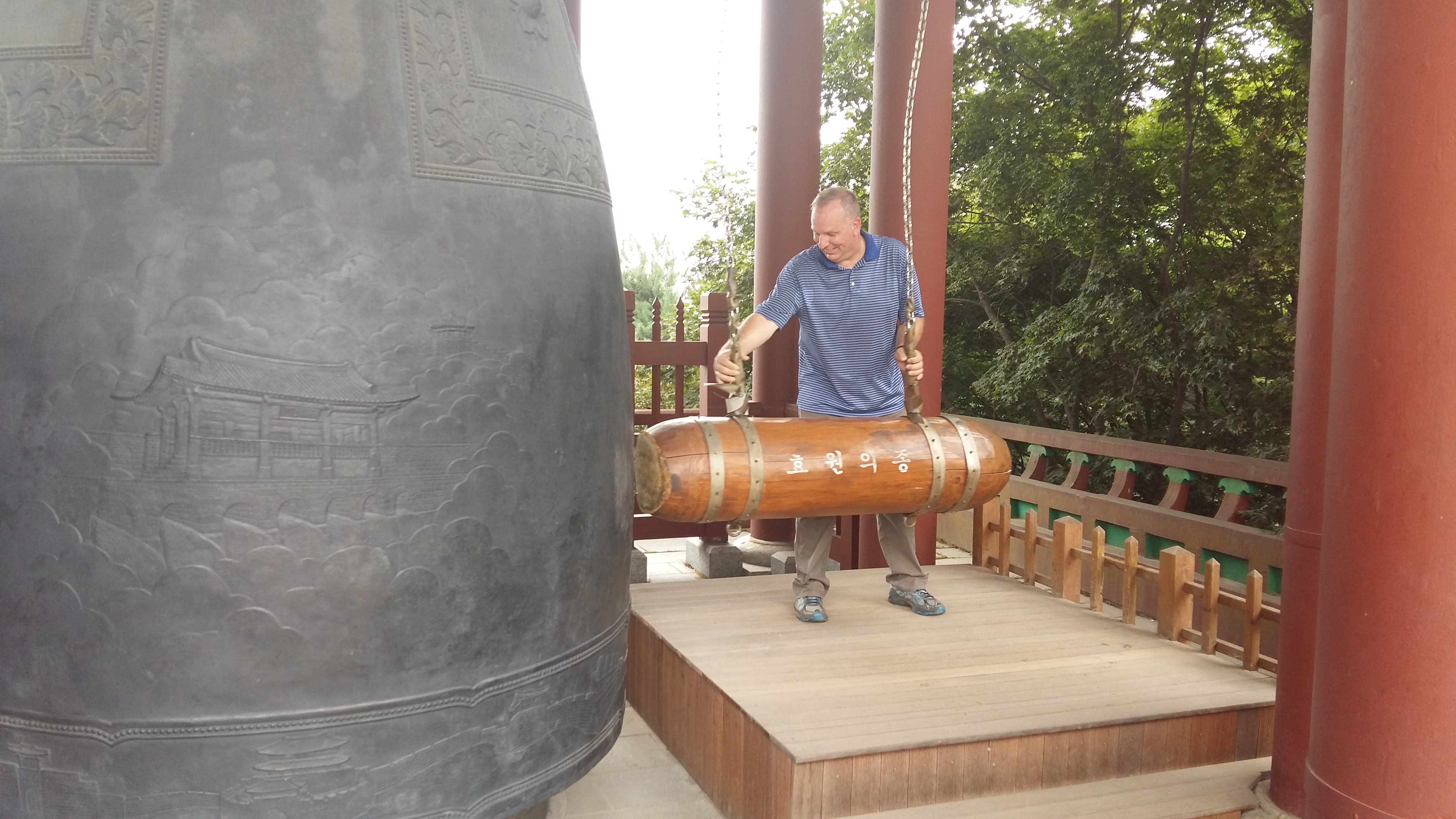
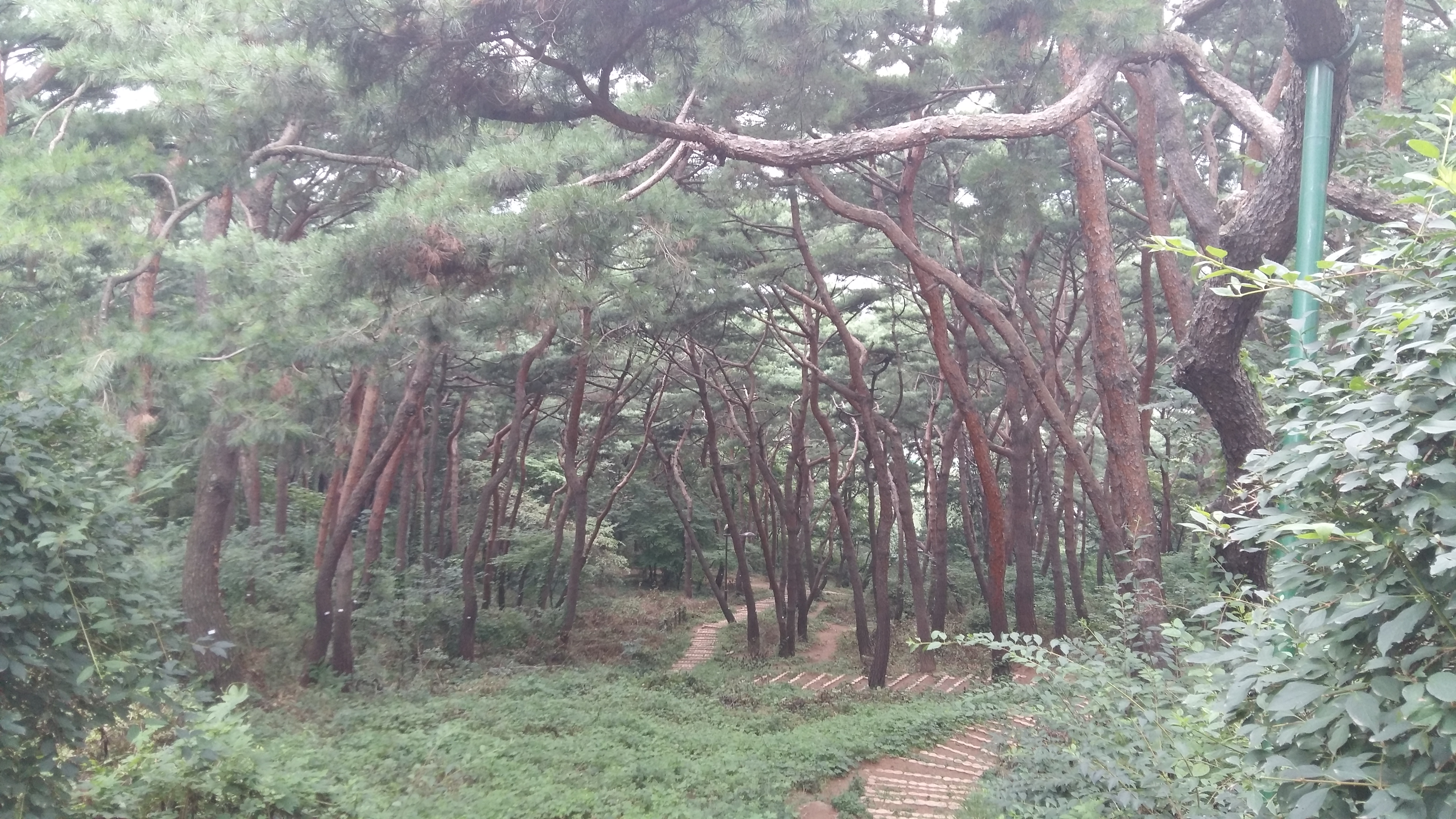
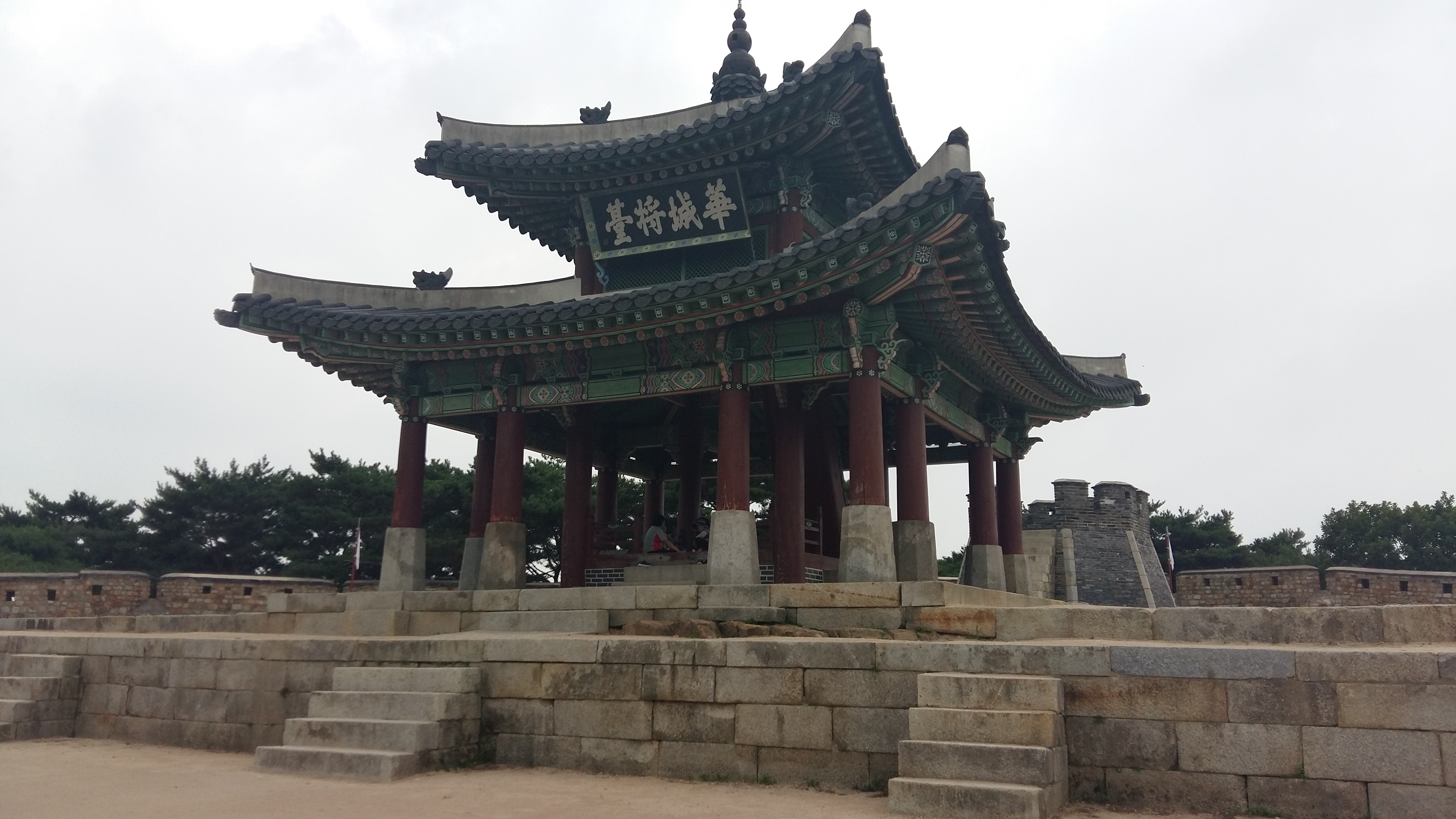
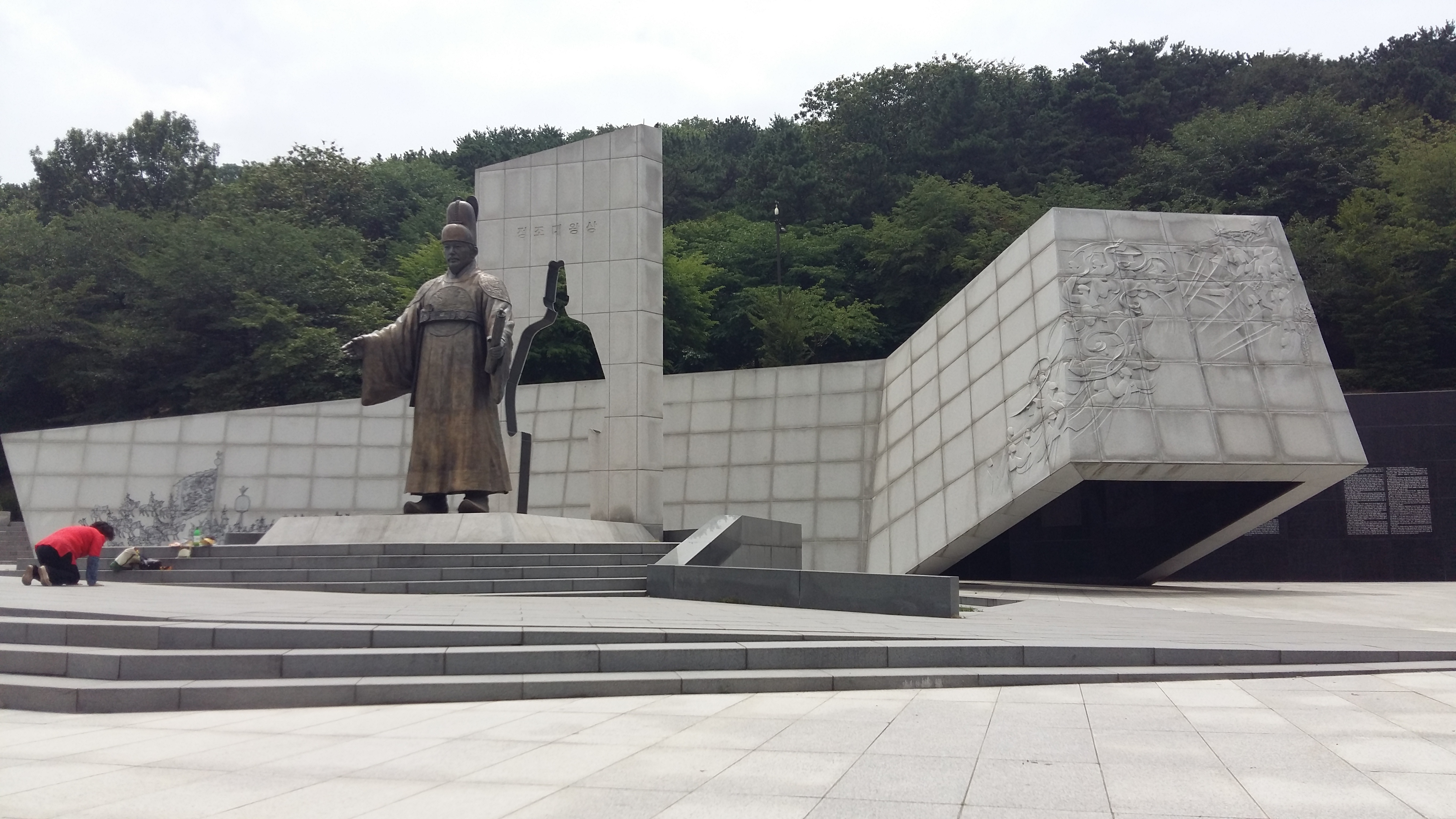
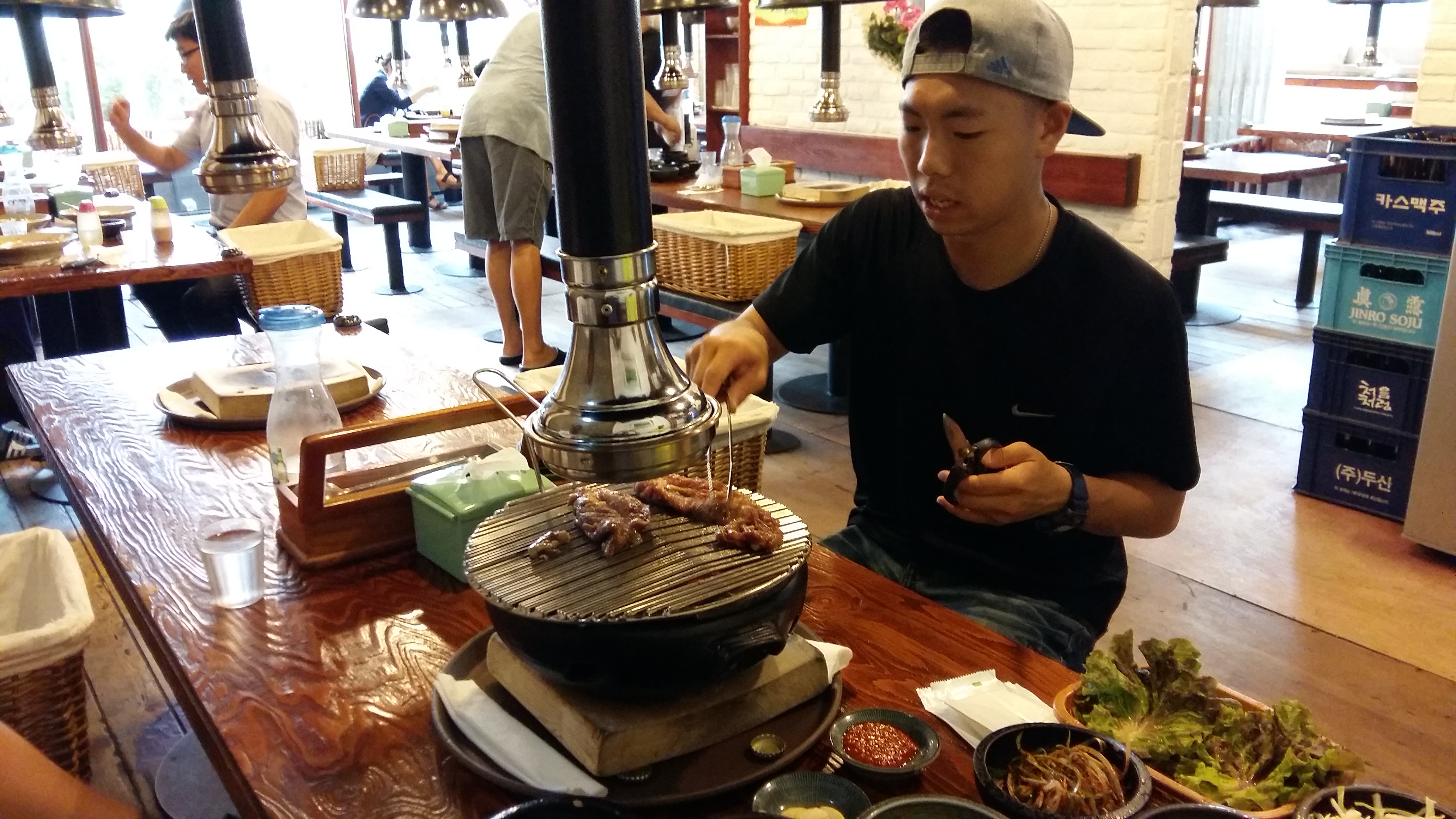
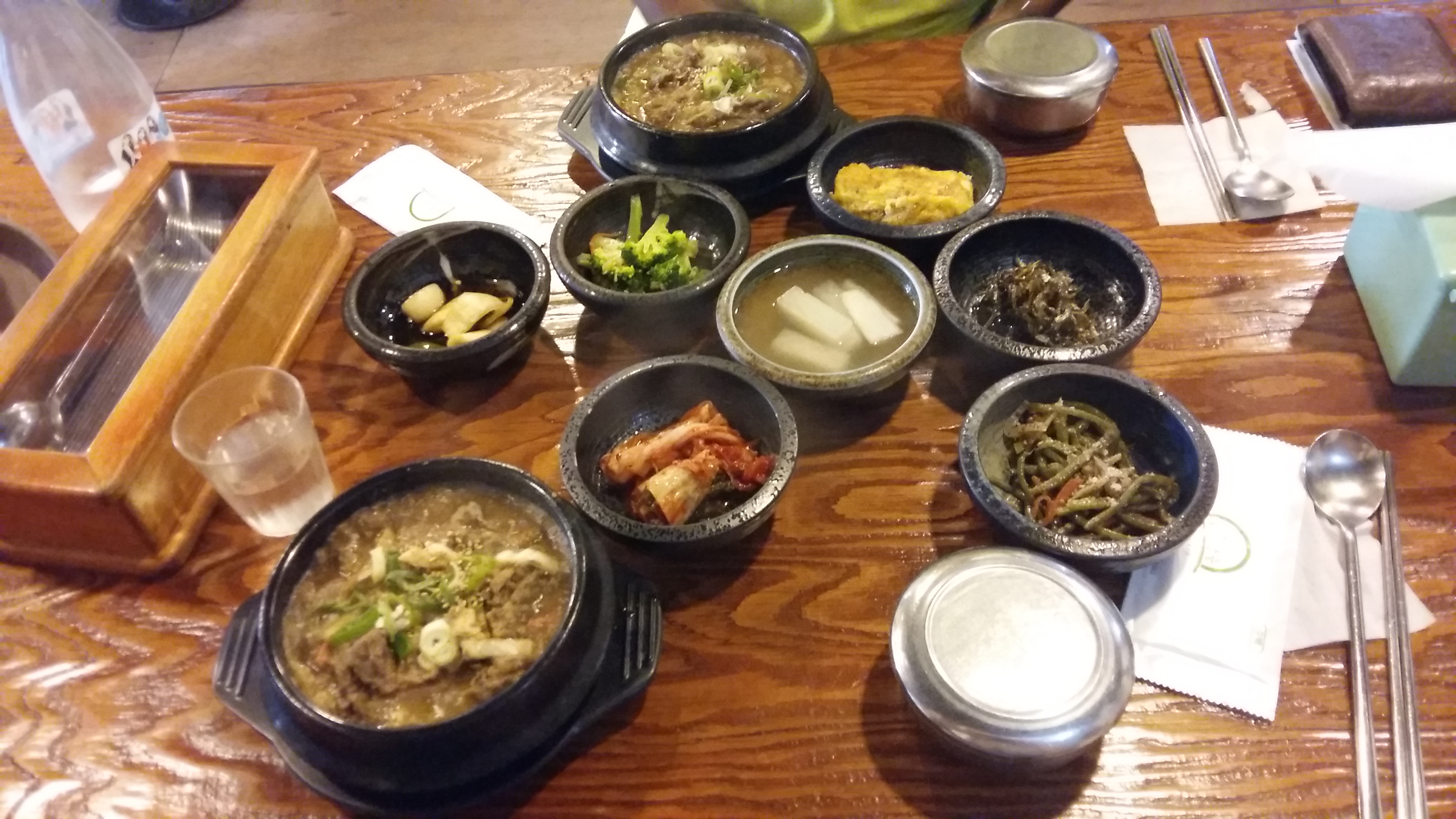
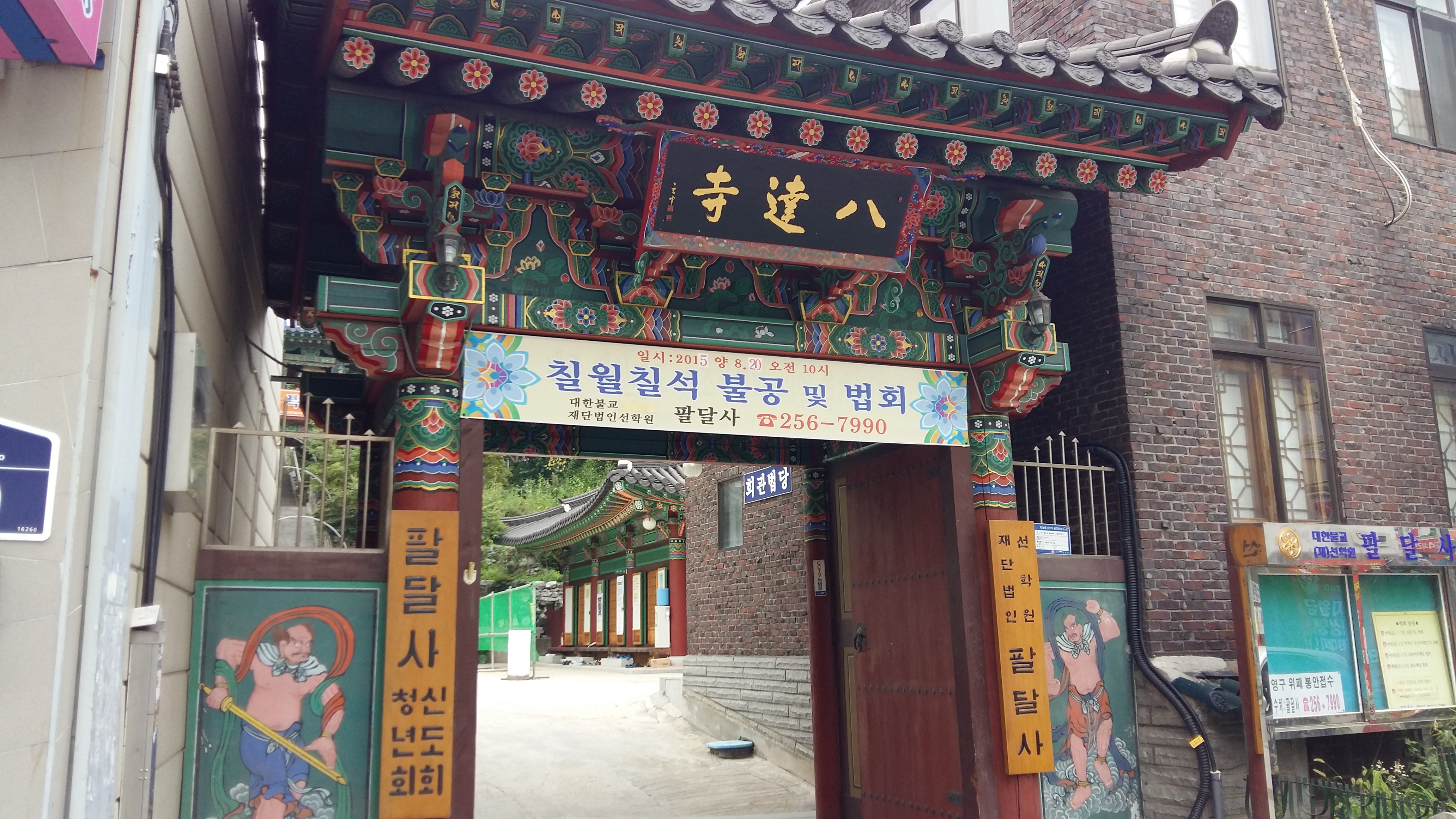
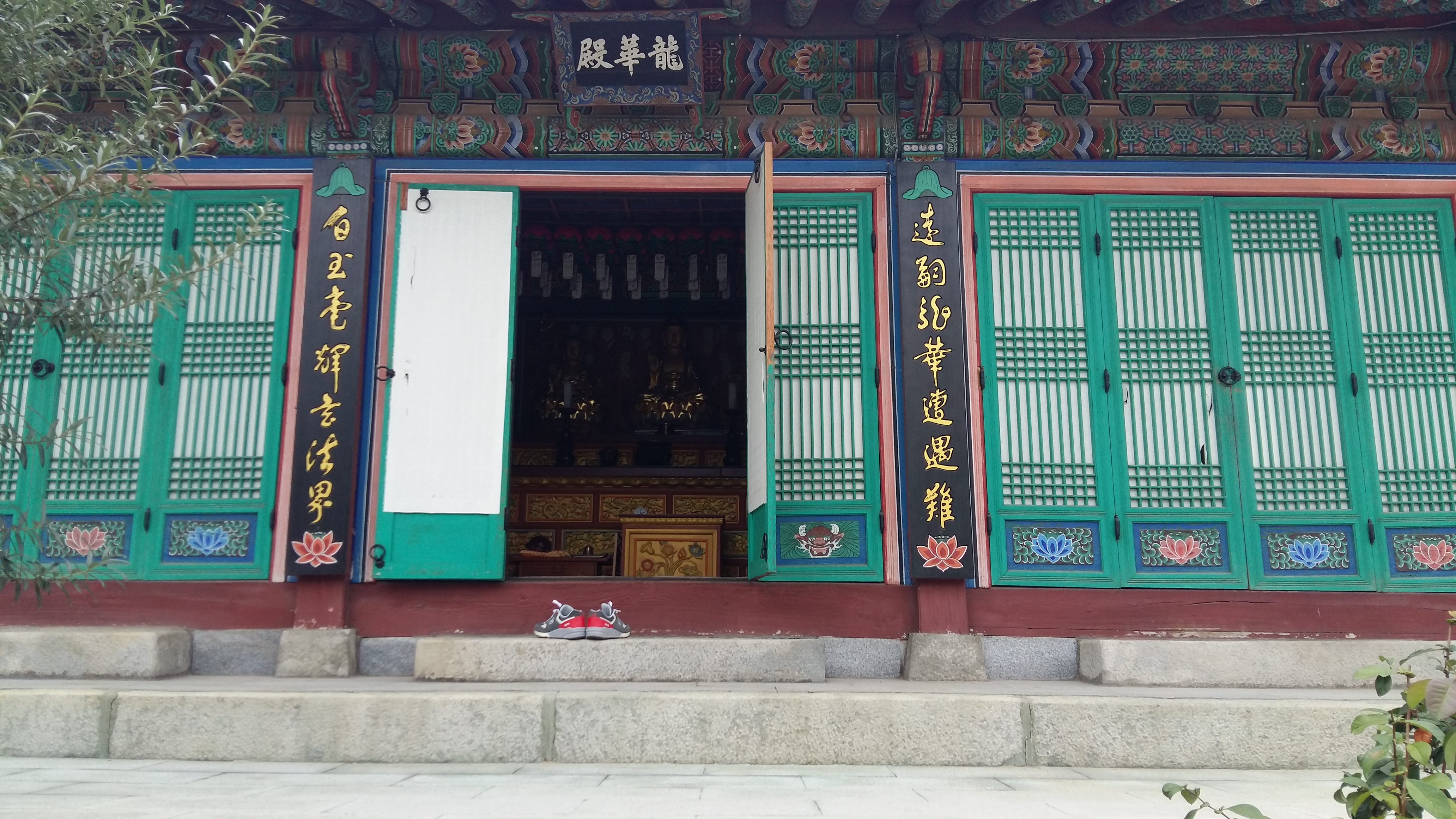
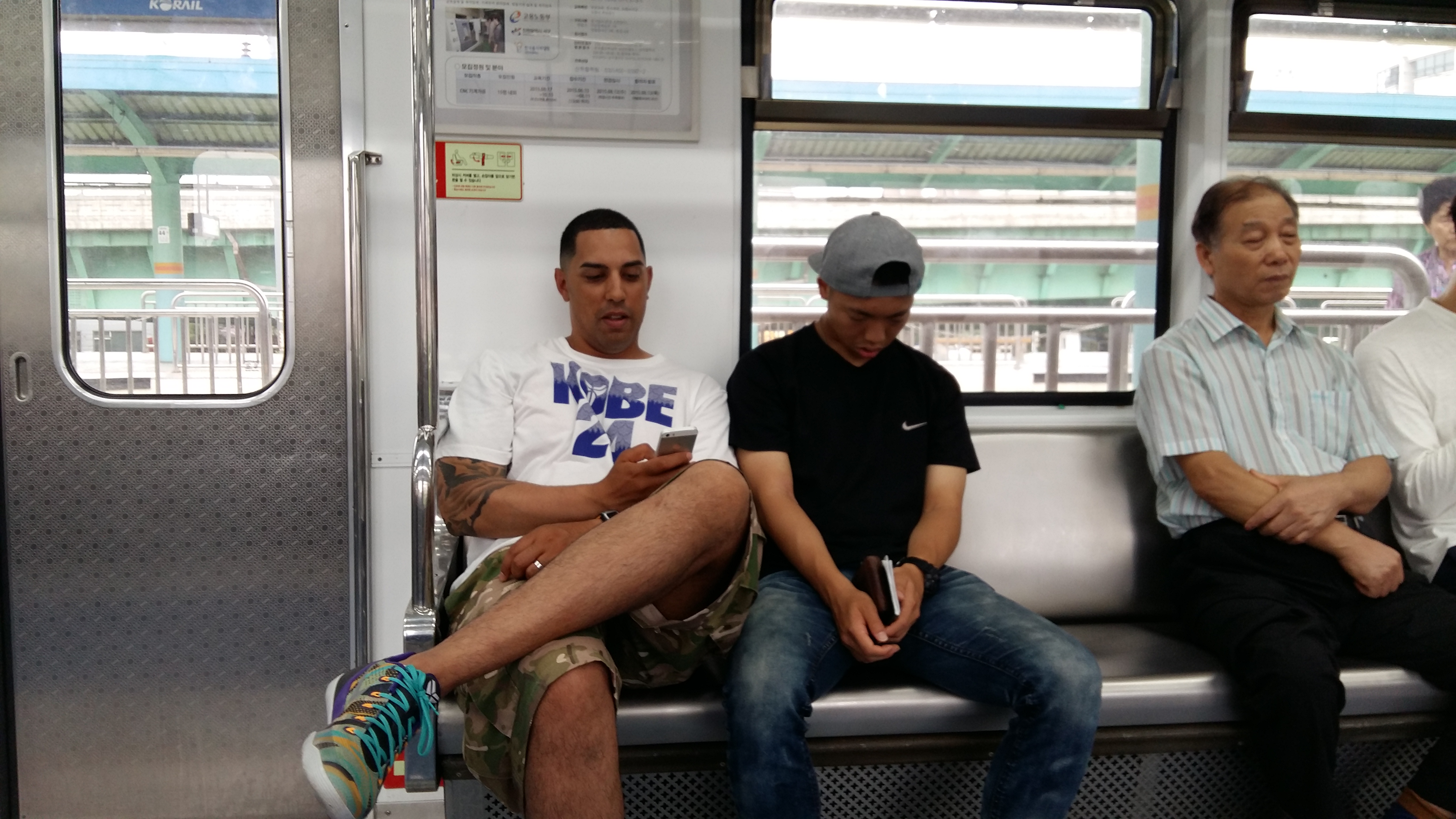
The “mall” in the Suwon train station.The view of Suwon from the exit of the train station.The buses had TV and free WiFI!Our first view of part of the fortress as we got off of the bus.Down this street you can see the long path of steps we will be climbing!Many steps…Many, many steps!Once we got to the top, there were a lot of neat things to see. This is Seosam Ammun. An “Ammun” is a secret gate “set up in a deep spot to provide war supplies to the fortress without being caught by enemies. In case of an emergency, an ammun could be closed by filling it up with stones and laying some earth next to the gate.”There were several Chiseongs or turrets “to monitor and attack enemies who had reached the fortress.”This is SeoPoru. A “Porus” is a sentry post.This is the “March 1st Independence Movement Memorial.” It is “to commemorate Korean ancestors’ valuable resistance to regain the national sovereignty and pray for the repose of their soul.”This is the Memorial of Korean Independence. It was “established on August 15th, 1948 by Suwon citizens to commemorate Korea’s restoration of independence.”Now we come to the bell of Filial Piety. The bell is “tolled” (?) every hour 1000-1800 daily, three times. The first toll is to show gratitude and respect to your parents. The second is to wish for your family’s health and harmony. The third is to wish for the realization of your dreams.I had to give it a shot!It was impossible to miss!Of course my assistant had to give it a go!Up from the Filial Bell was another ammun which we went out and saw the outside of the wall up close.…and the other side.Then looking down the hill from the wall to an interesting formation of trees.Moving on, we came to the highest point of the fortress, the SeoJandae. A jangdae is a command post and this one was “where military command was established around the fortress at the summit of Paldal Mountain.”From SeoJangdae there were great views of Suwon city below.From SeoJangdae there were great views of Suwon city below.From SeoJangdae there were great views of Suwon city below.Starting down Paldal Mountain, there was a bronze statue of King Jeongjo the Great, the King who had this fortress built. Notice the woman in red bowing down to the statue. Not sure if she was praying, or what but she had laid out a variety of food in front of the statue.It was an impressive statue. Notice again the woman in red spreading out a variety of food. Until I saw her kneel, I thought she was spreading out her lunch to eat it.On the way down from Paldal Mountain, we saw the trolley which runs around a large portion of the fortress (though not to the top!).Getting back to “city-level,” we started up a small street (I think it was Rodeo Street) to the restaurant we take the group to.…and here it is, *Something in Korean* Part I!Fortunately, we had our KATUSA to translate for us! I’m not sure why we were so bunched up for this picture…my assistants must really like me!They bring out a grill with hot coals to cook at the table. The pipe above it (and at each table) is a vent that sucks out the smoke.Our KATUSA (as the youngest) also did the cooking!I ordered the Bulgogi, which comes with a lot of extra stuff. It was great (much better than my Bulgogi Burger at McDonald’s)!On the way back to the bus, we came across a Buddhist monastery. Like all traditional Korean architecture, the buildings were very colorful.The other side of the entry arch showing more of the colorful and intricate architecture.There were places for the Buddhist monks and others to pray. This building seemed to have separate booths.This appeared to be more like a temple.Here’s the inside of the temple.The banner hanging higher, to the right, says something about praying for your children, that they will get into a good university.Finally on the train on the way home, our KATUSA was wore out!
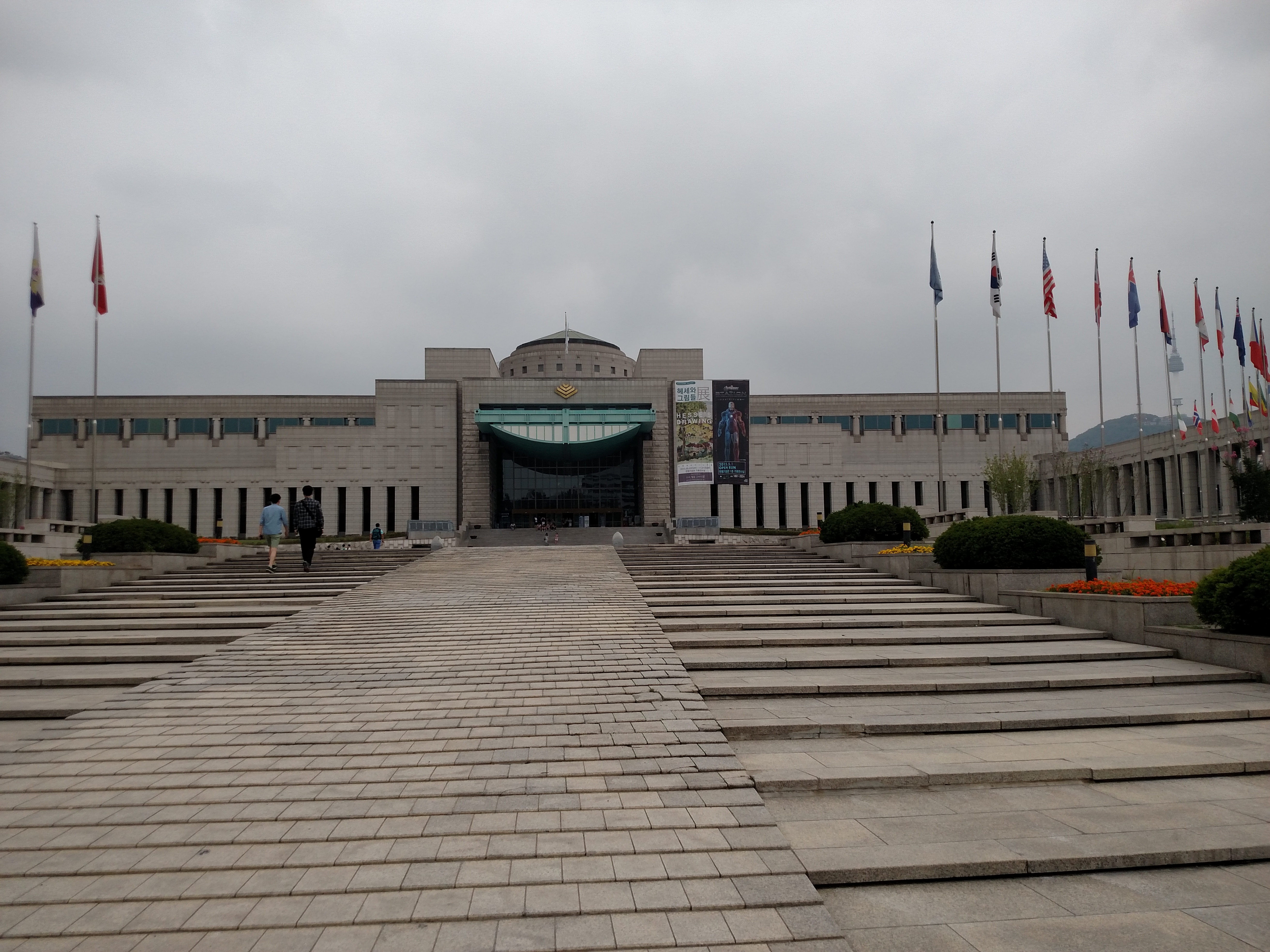
I thought that a good site to visit toward the beginning of my tour in Korea would be The War Memorial of Korea right off post in Yongsan-gu. It is more than just a memorial but a very well-done museum with most signs and descriptions in Korean, English, Japanese and Chinese. What really struck me about the memorial and museum is how they honored not just their own Service Members who served and died but also -to the extreme- those from other countries who came to Korea to help preserve their freedom from Communist rule.
The museum features exhibits and artifacts from the earliest Korean history all the way through their involvement in Operations Enduring Freedom and Iraqi Freedom. Here are a few pictures from my visit, but there was way too much to see to preserve on film (or digits)! To keep the post from being too long, I’ll divide it up into outside and inside pictures.
.
.
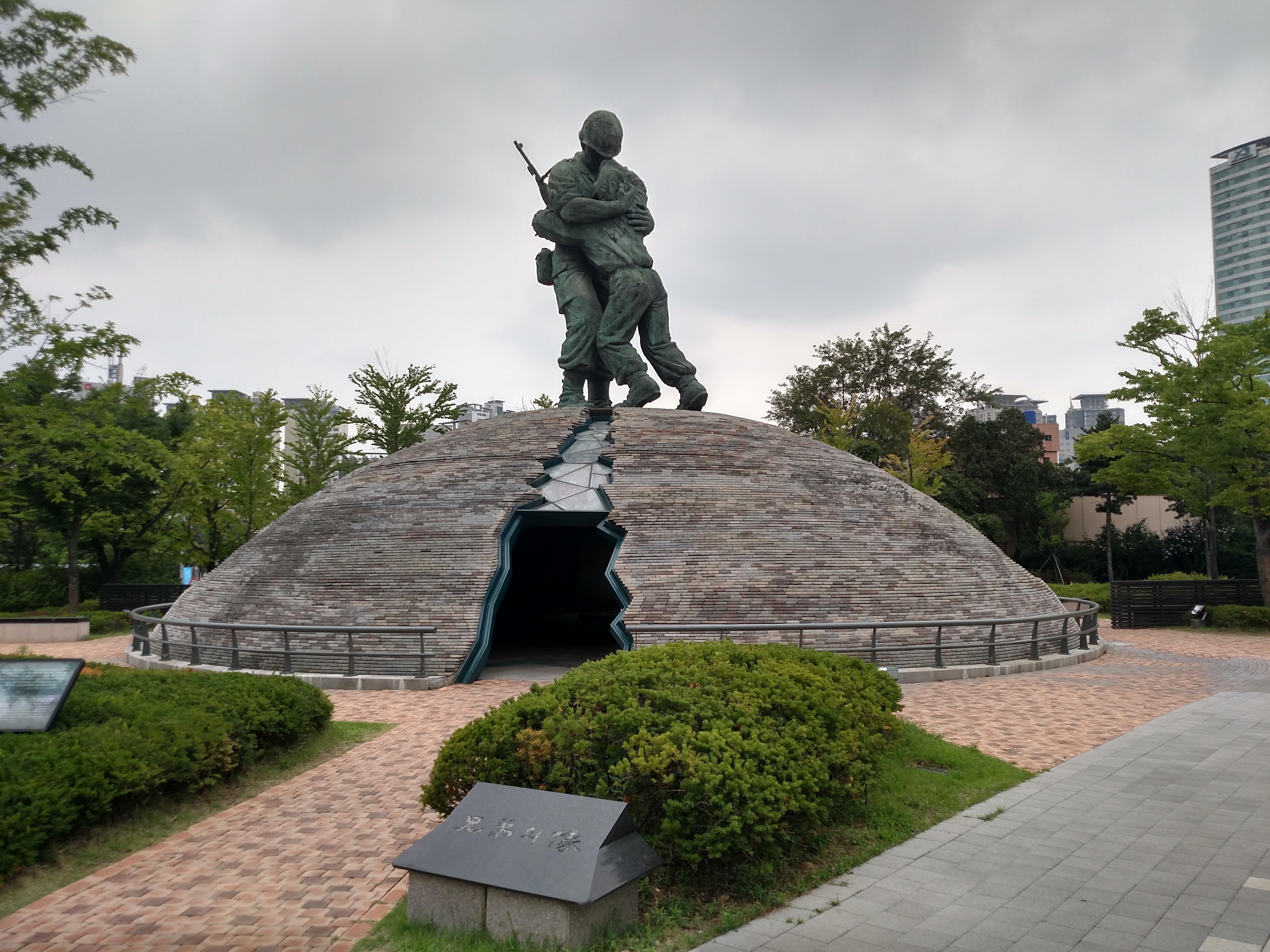
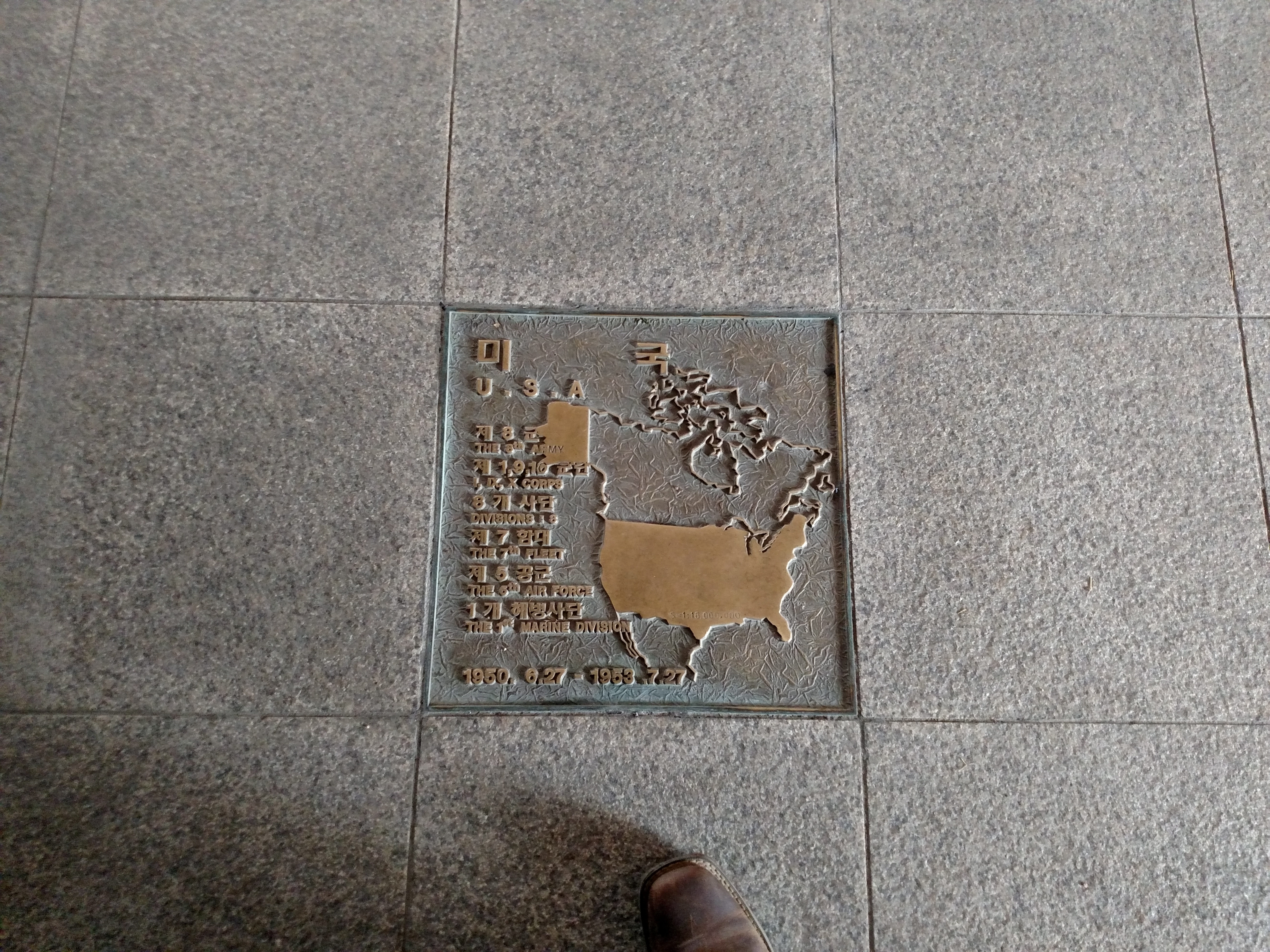
“The Statue of Brothers…is a symbol of the Korean War…The upper part of the statute depicts a dramatic moment when a South Korean officer and his younger brother, a North Korean Soldier, encounter and embrace each other at the battlefield. The statue expresses reconciliation, love, and forgiveness…The crack in the dome stands for the division of Korea and the hope for reunification.”Another view of The Statue of Brothers“Objects inside the dome [of The Statue of Brothers] include a mosaic wall painting that expresses the spirit of the Korean people to overcome the national tragedy and a map plate of the 16 UN Allied Nations that dispatched troops to the war. Links of iron chain on the ceiling signify the unbreakable bonds of a united Korea.”Inside the dome, the plaque on the floor showing the U.S. forces that participated in the Korean War.
.
The Tower of Korean War. “Symbolizing the image of a bronze sword and a tree of life. The bronze sword represents the time-honored history and the warrior spirit. The tree of life symbolizes the prosperity and peace of the Korean people.”A closer view of the Tower of Korean War
.
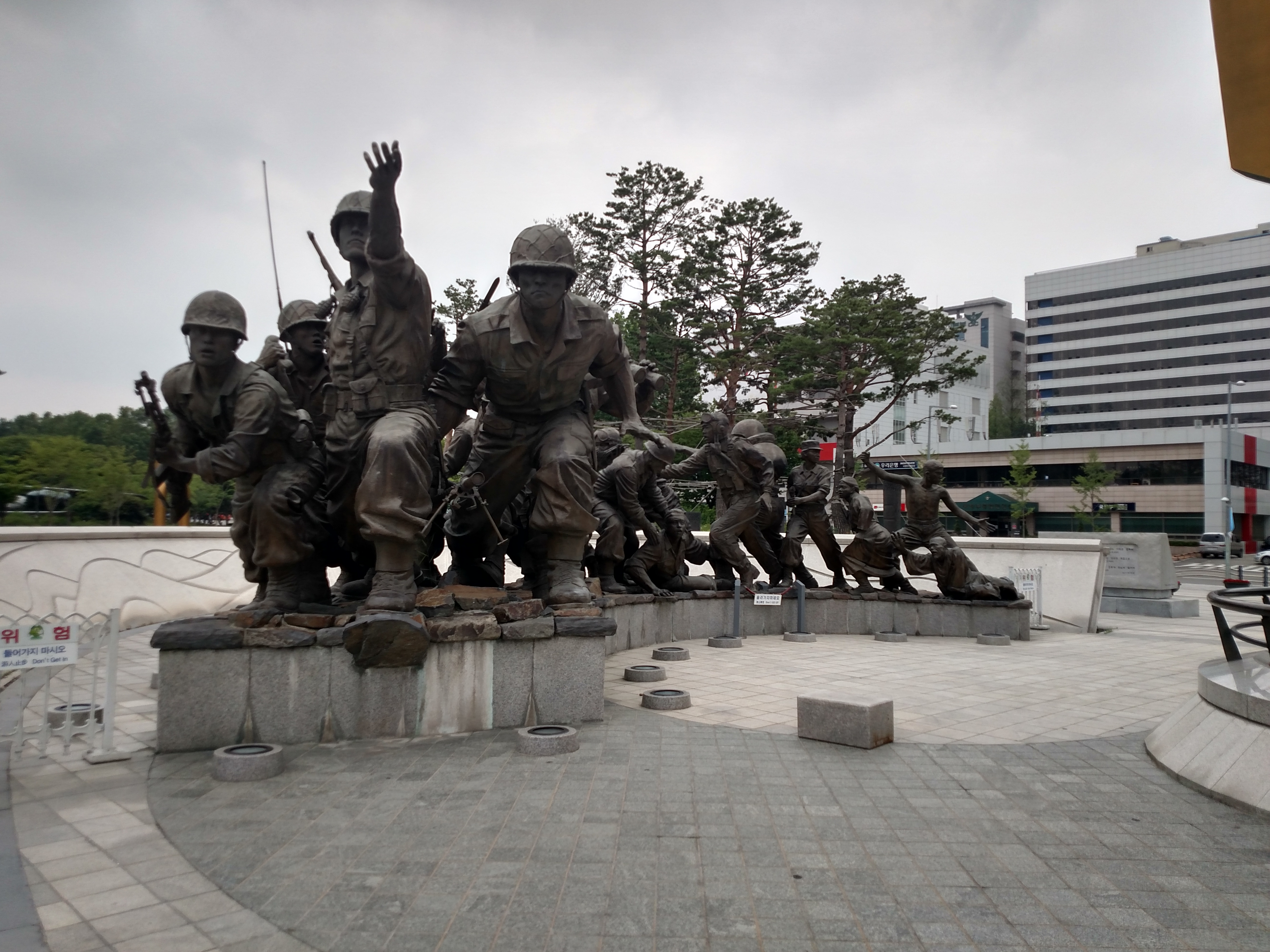
Statues Defending the Fatherland: “The statues represent 38 people from all walks of life who overcame the Korean War and depict the suffering and pain caused by the war while embodying the sublime spirit of sacrifice and dedication to the defense of the fatherland of past patriots.”Statues Defending the FatherlandStatues Defending the Fatherland
.
“The Monument of King Gwanggaeto the Great (391~413) was built by his son King Jangsu (413~491) in 414 B.C. in commemoration of his father. ” (This is a life-size replica of the original monument currently located in China.)
.
“Erecting the Clock Tower: Symbolizing War and Peace, a Twin Clock Tower Points to a new time of New Millennium on a pile of rusty arms. Stopped clock wrecked by the Korean War. Here a Clock Tower is erected for the day of reunification, again beating like the hearts of two girls.”“The Clock of Hope for Peaceful Reunification: Someday when Unification is realized this Clock will be put on the Clock Tower and will indicate the time of Unification.”
.
This picture shows a sampling of the many military aircraft used in Korea’s history on display outside of the museum……and the tanks and artillery……and lots of other military equipment!
.
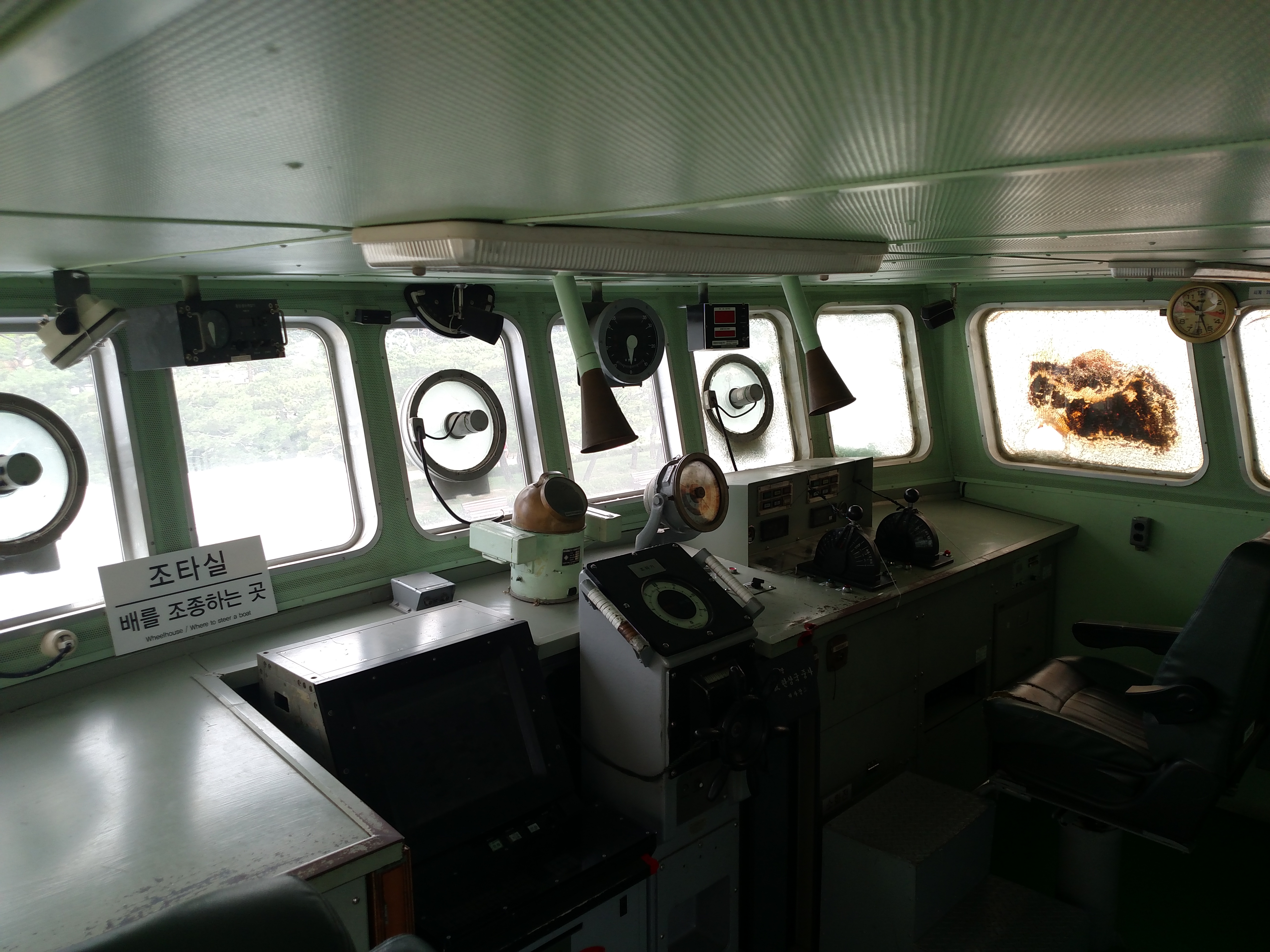
Referring to the boat on the left, “The PKM-357 National Security Exhibition Pavilion pays tribute to the six heroes of PKM-357 who have died with honor. The 2nd Sea battle of Yeonpyeong (29, June 2002) while fighting the enemy in order to safeguard the country’s waters and contribute to promoting the national security awareness of the people with the importance of defending the NLL.”This is a 1:1 scale reproduction of the PKM-357. The original “is exhibited at the park of the Second Fleet Command, ROK Navy.”
I didn’t want to be stuck in the hotel or on base all weekend, so I just went a little off post on Saturday, but walked for about 4 hours. I saw just a small part of Seoul, Yongsan-Gu. It was really hot and frankly, the walk wore me out but it was nice to see this side of Seoul and experience the culture just a little bit. My one interaction was buying a bottle of water. I don’t know what he said, but gave him a large enough bill that I knew it was enough. I counted it up later and I think that bottle of water was just about a quarter!
Here are some pictures from my walk with descriptions below them (coming soon):
.
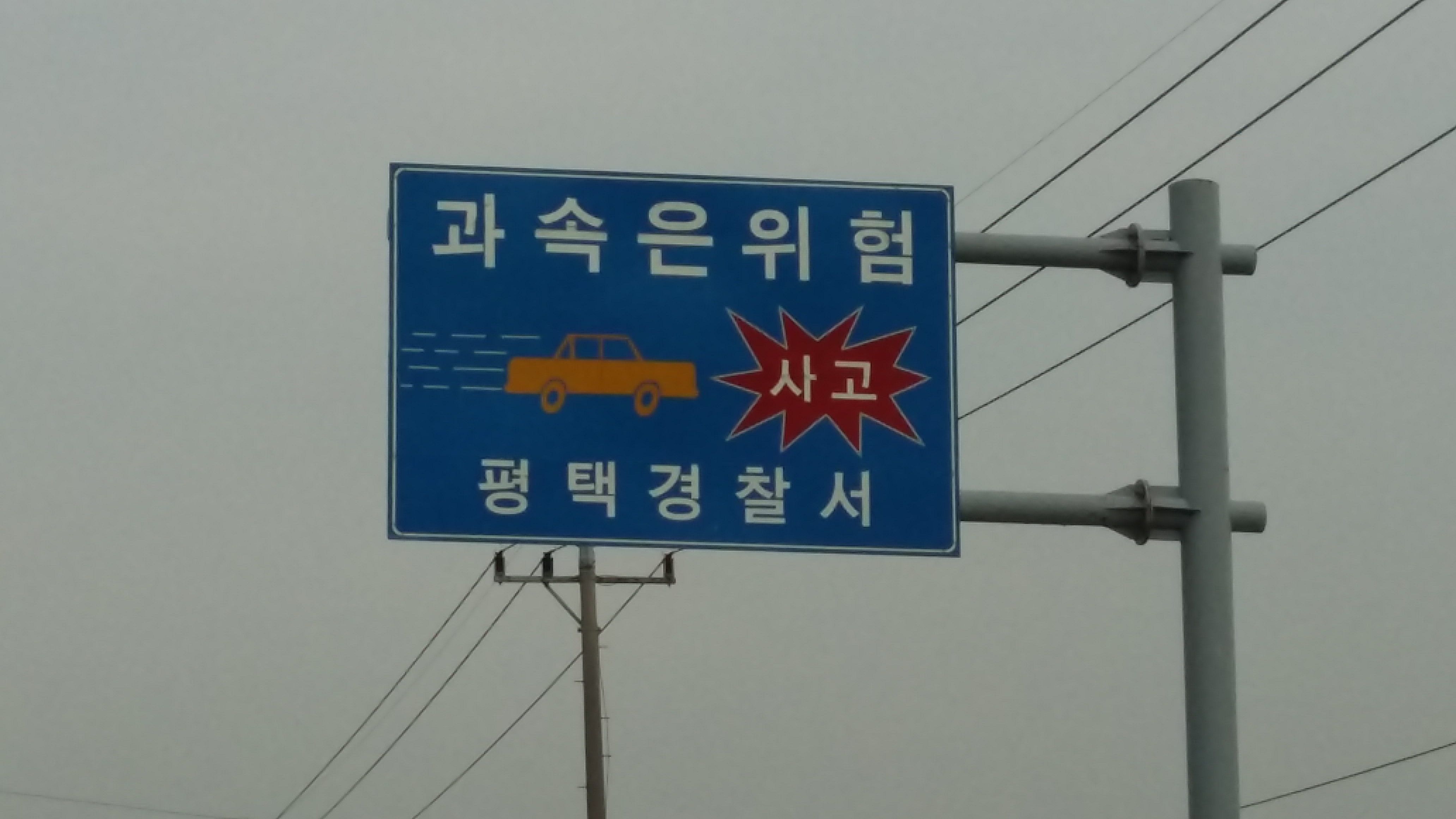
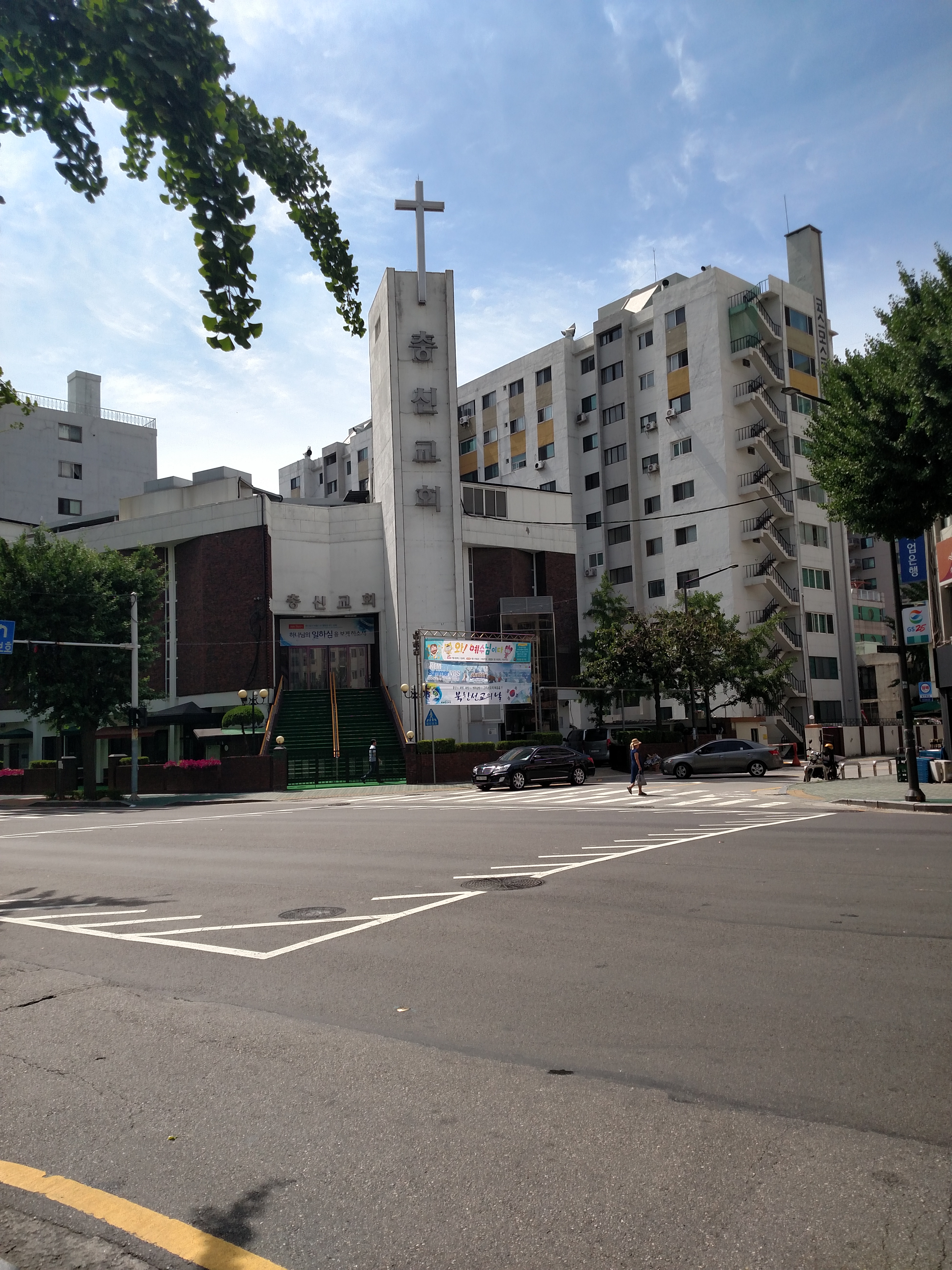
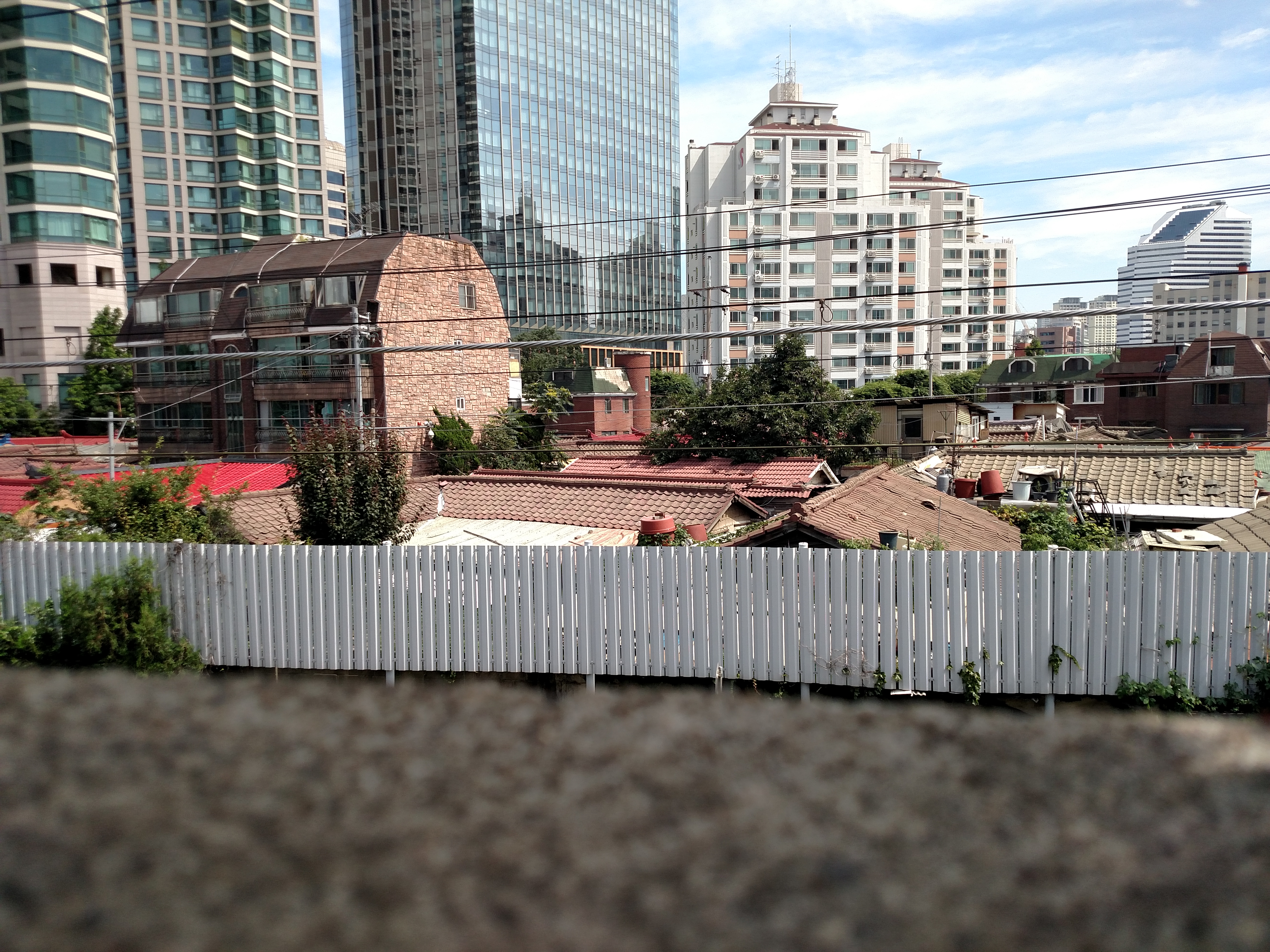
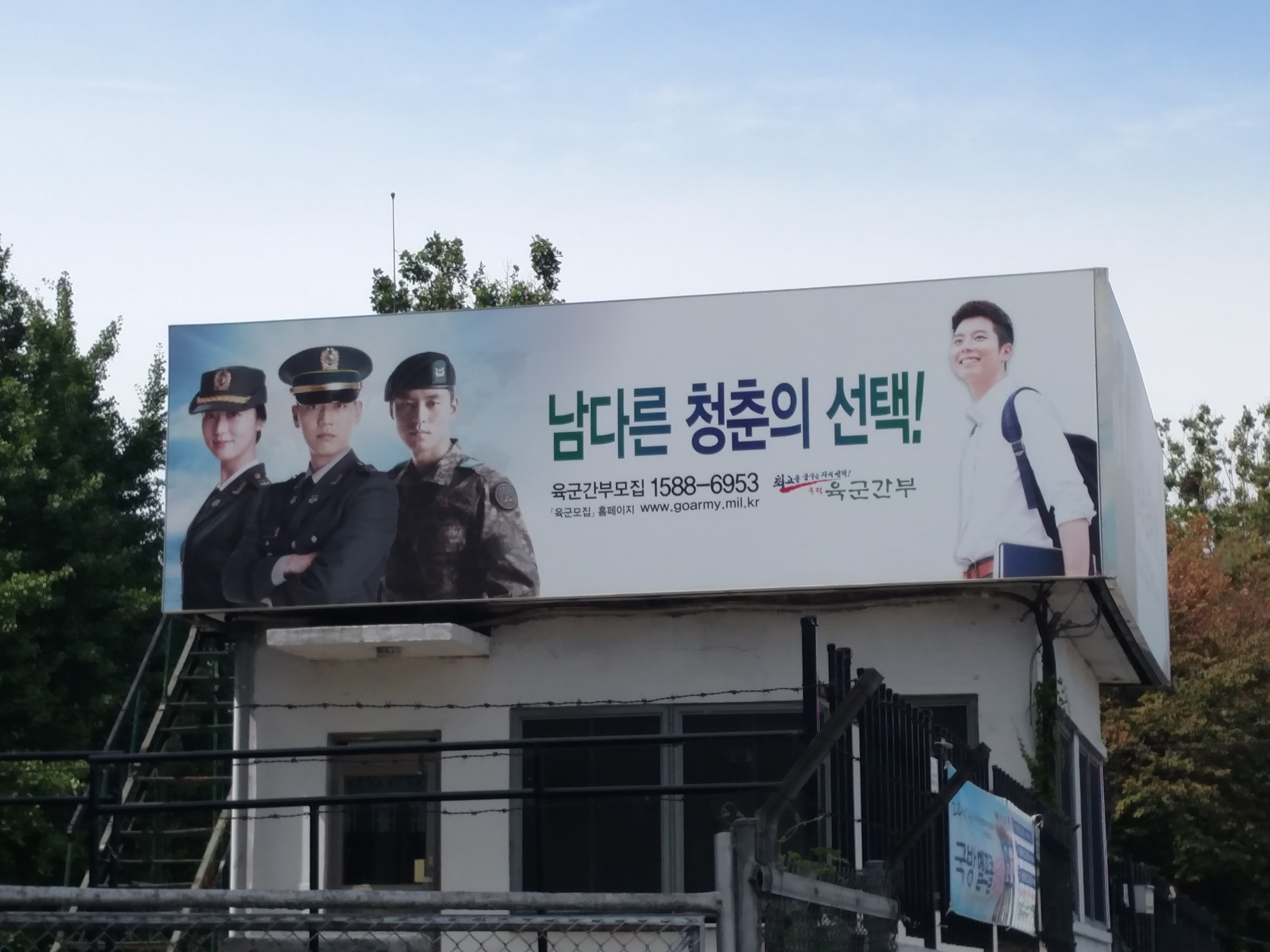
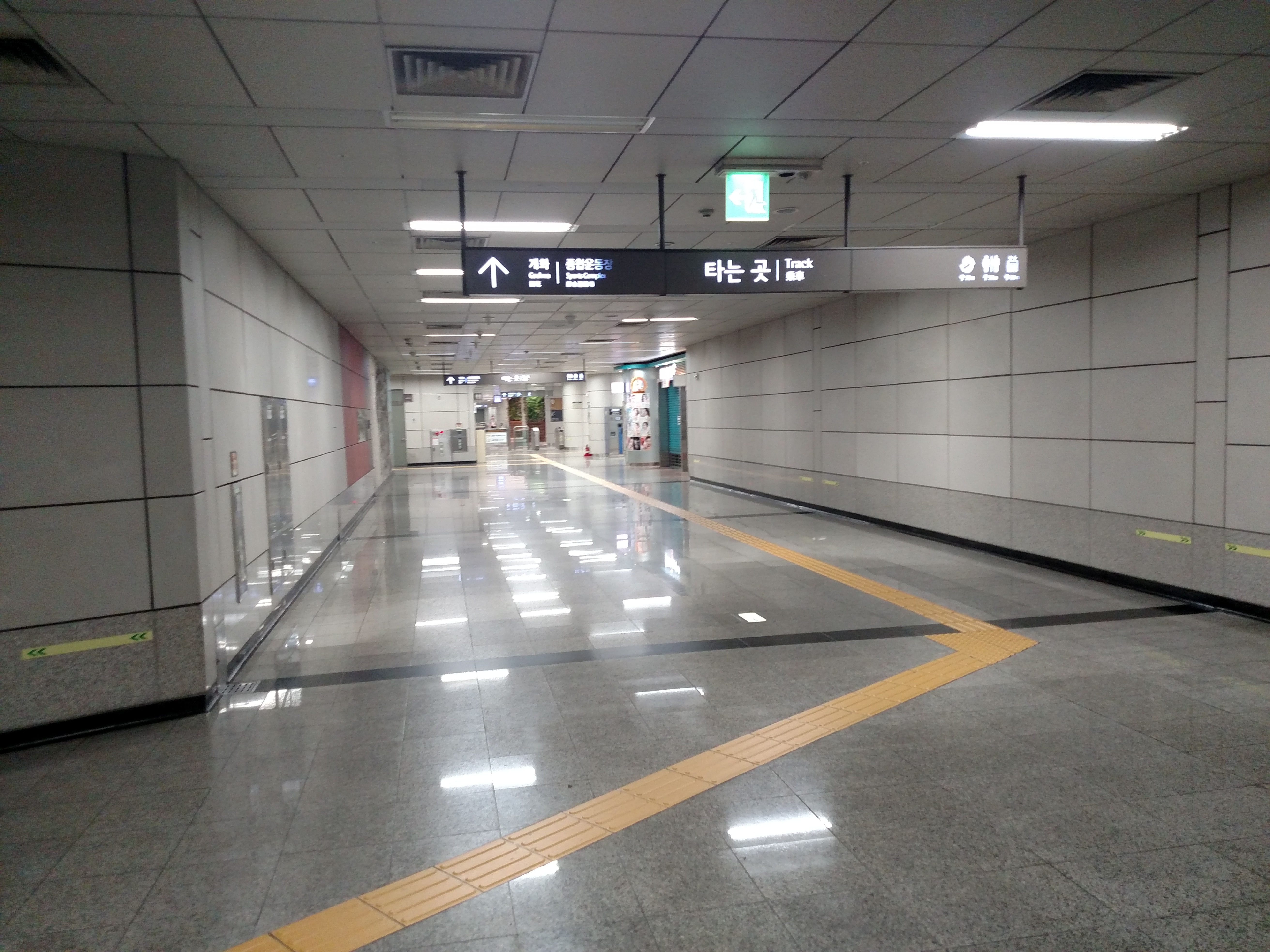
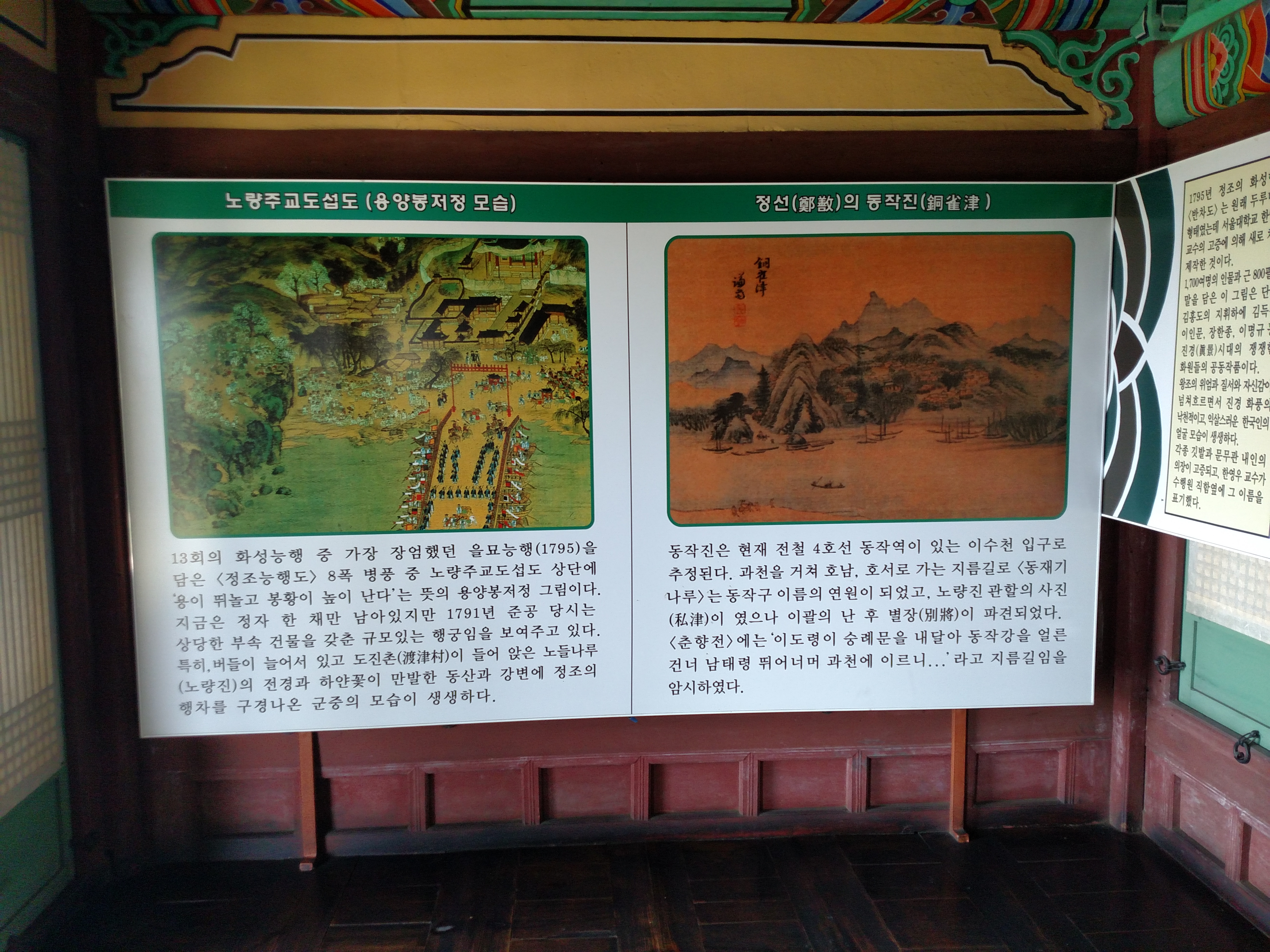
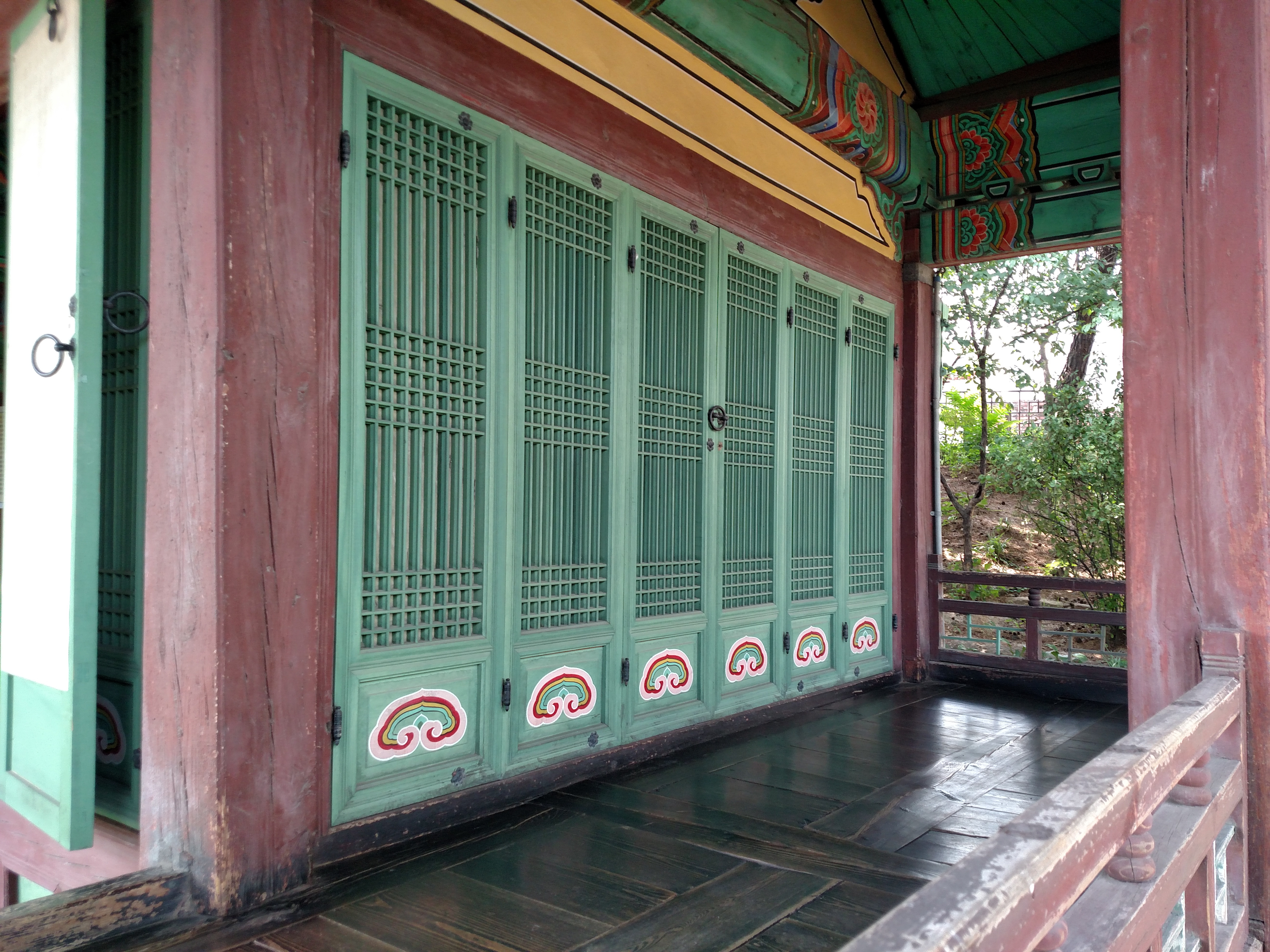
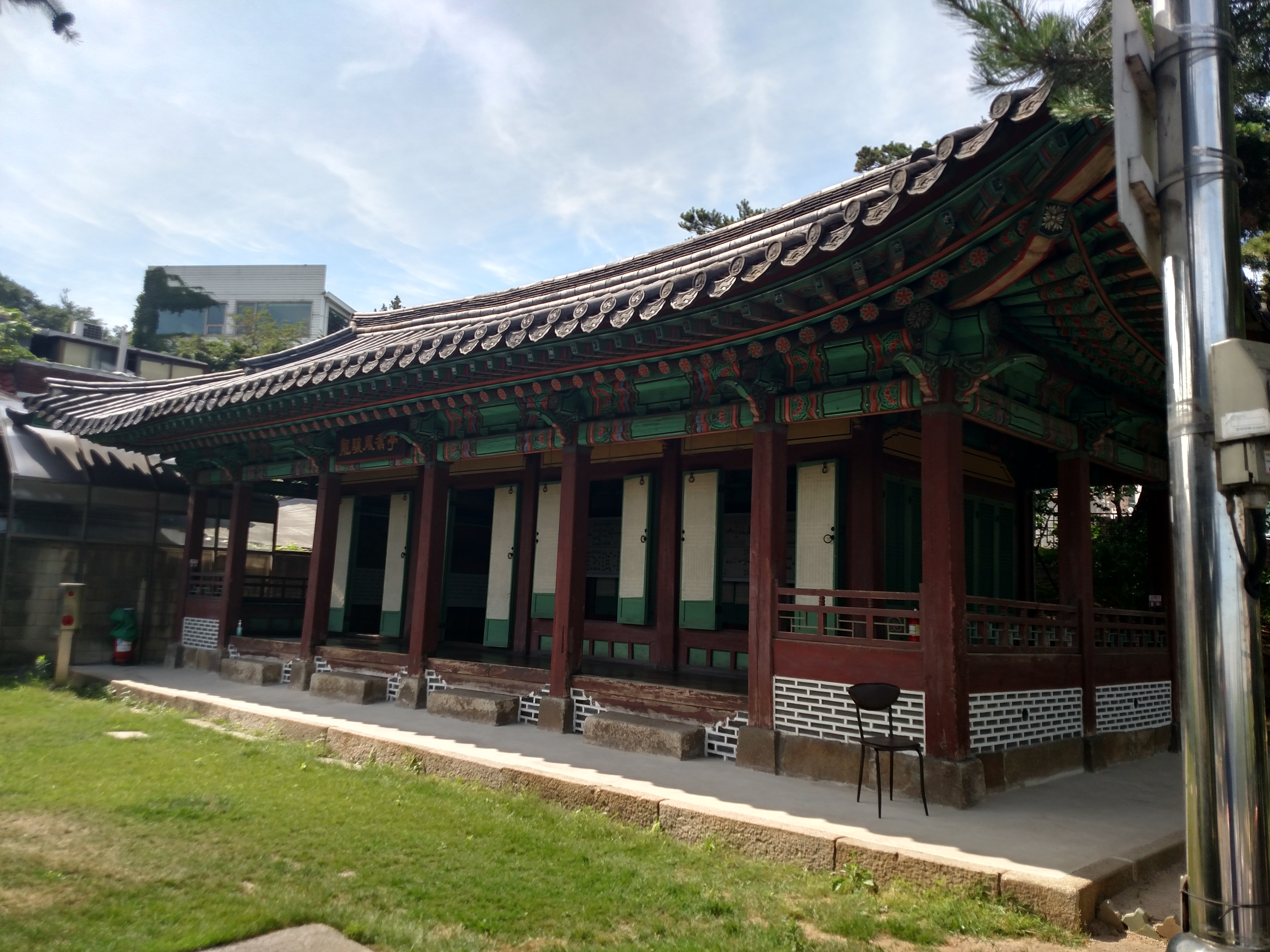
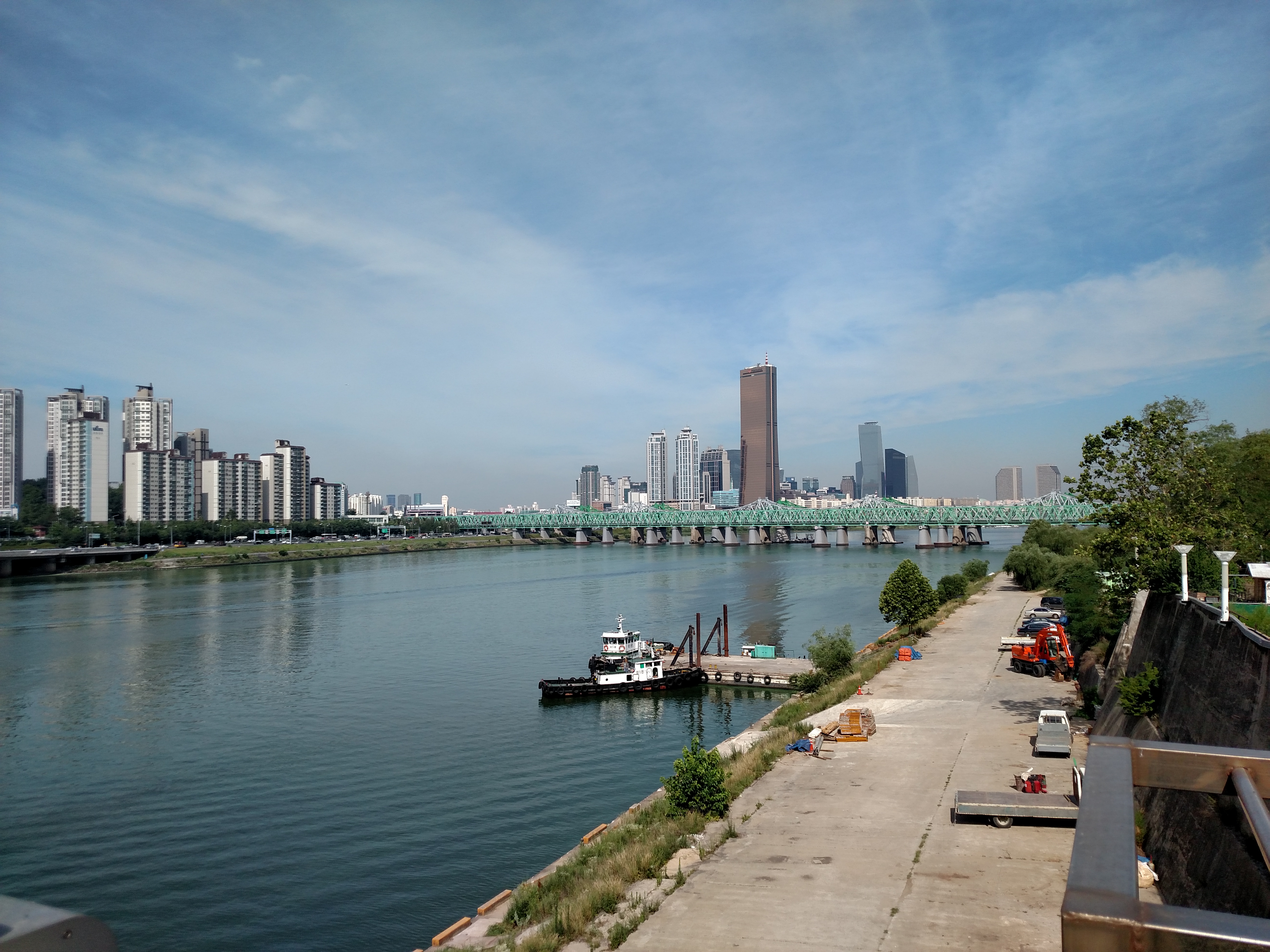
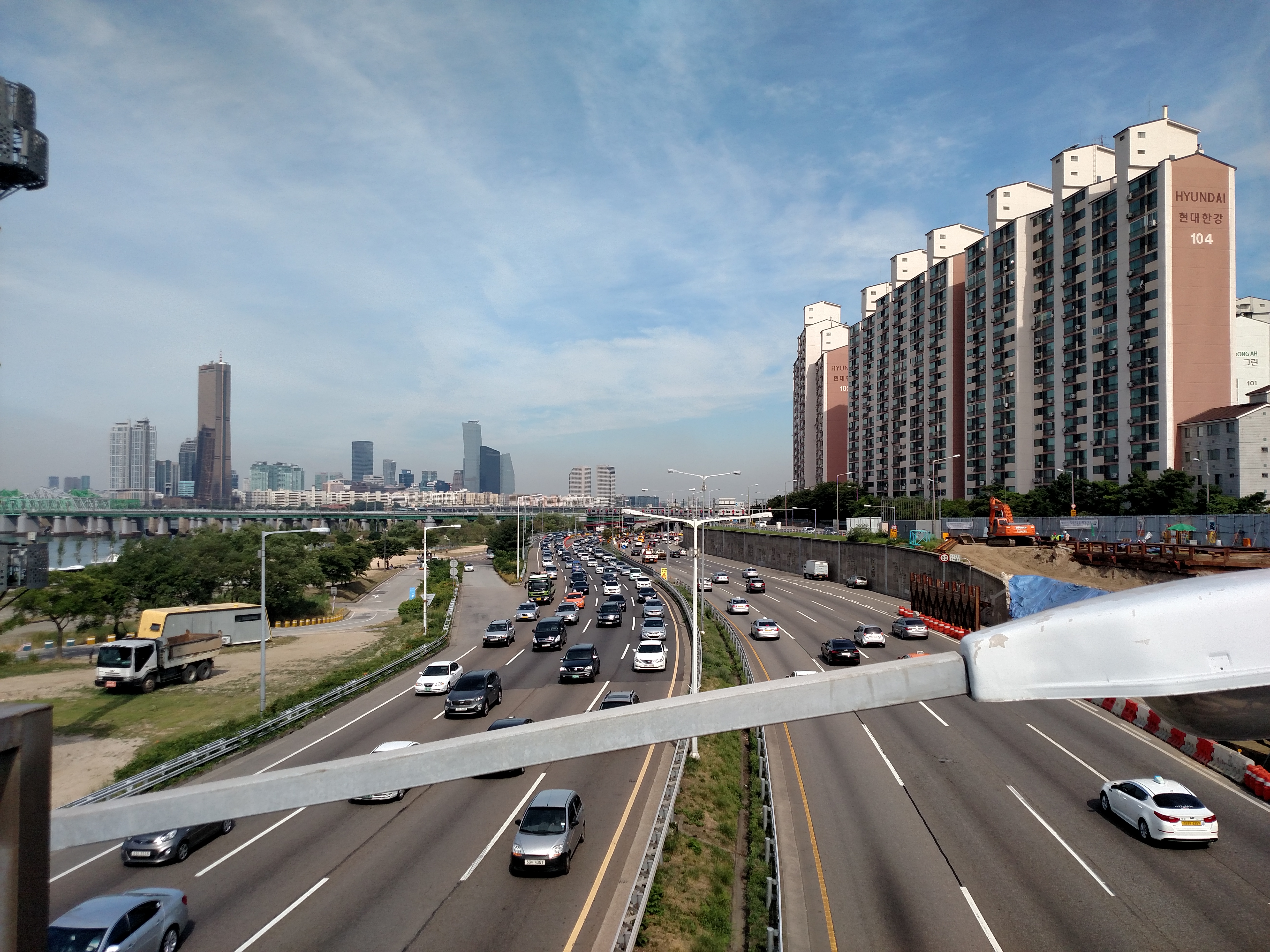
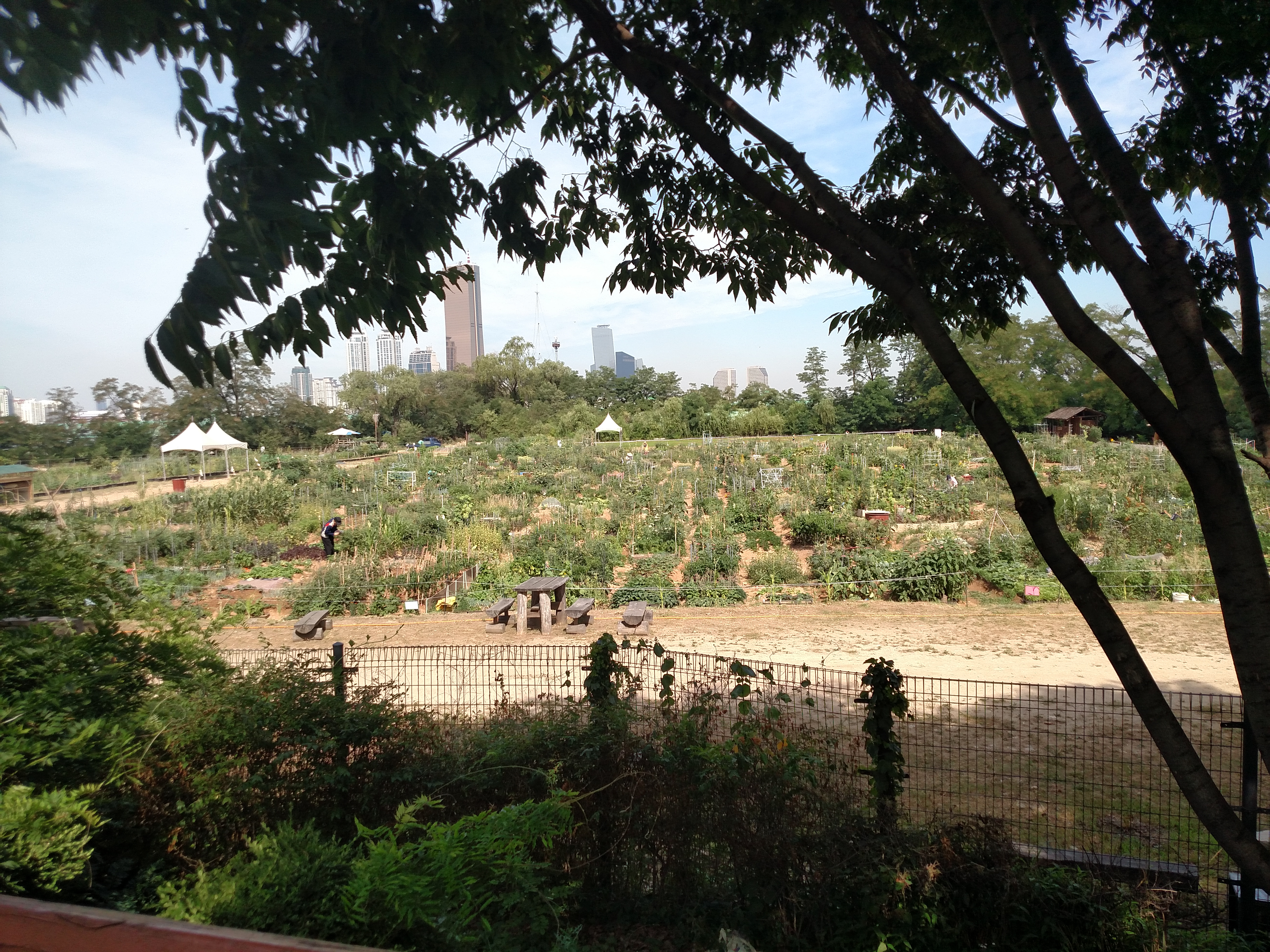
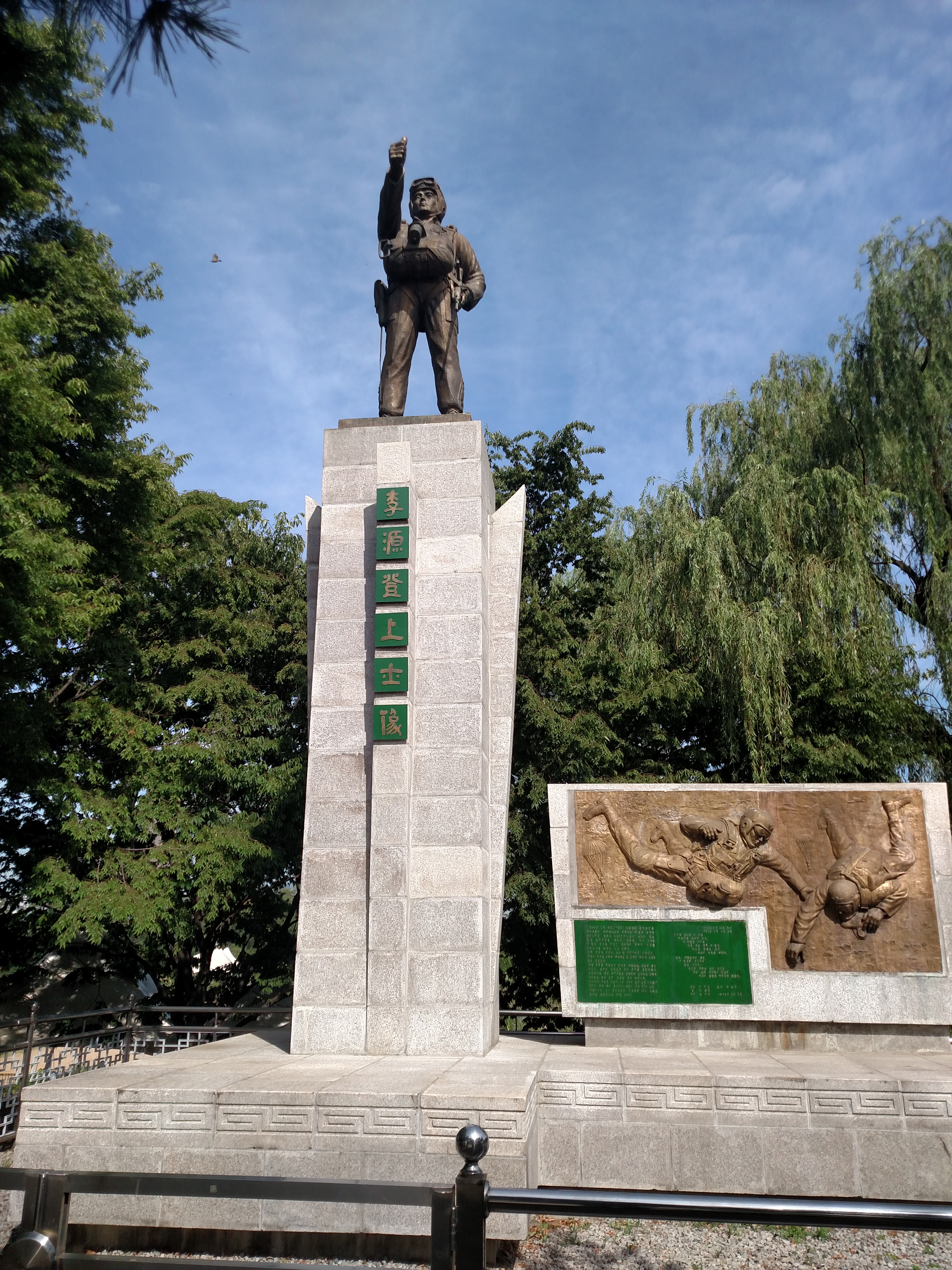
I’m not sure what this drink is (the other side says “Chilsung Cider”) but it’s cheap, tasty and refreshing!A large Christian Church.A common site in the U.S., I didn’t expect so many 7-11s here but there is just about one every other block in one section of town where I walked!A padded sidewalk. This was a relief by this time on my walk!Another large Christian Church.You can barely see the roofs of these houses but they seem to be much more modest than the apartment buildings all around them. They are located between the tall city high-rises and the river (right beside the railroad tracks).A sample of the road signs. Most have Korean and English (thankfully!).A prominent recruiting sign. All Korean males are required to serve for 2 years in the military or (as I understand it) some other government job. Some, however, choose to make the military a career.The description of an historic site (which I just stumbled over on my walk) from the late Joseon period (1392-1910). It is the Yongyangbongjeojeong Pavilion, where King Jeongjo stopped to rest before crossing the Han River. The next few pictures are of this site, with a description of it in English.Looking up a street on the far side of the Hangang from Yongsan.Crossing under busy intersections through tunnels and passage ways.A really good map of the area but the only thing is English is “You are here”!The description of the Yongyangbongjeojeong Pavilion in English.Inside the Yongyangbongjeojeong Pavilion.Inside the Yongyangbongjeojeong Pavilion.Inside the Yongyangbongjeojeong Pavilion.The Yongyangbongjeojeong Pavilion.The Yongyangbongjeojeong Pavilion.The Yongyangbongjeojeong Pavilion.Yet another large Christian Church.A view of the city from the bridge crossing the Hangang (Han River).A view of the city from the bridge crossing the Hangang (Han River).A view of the city.A view of the city to include some of the traffic. This was mild.On an island in the Han River, connected by a bridge, there is space for public vegetable gardens (at least until construction begins on the planned development of the island. You can read more about the island here: http://english.seoul.go.kr/policy-information/urban-planning/urban-planning/2-introduction-to-nodeulseom/On an island in the Han River, connected by a bridge, there is space for public vegetable gardens (at least until construction begins on the planned development of the island. You can read more about the island here: http://english.seoul.go.kr/policy-information/urban-planning/urban-planning/2-introduction-to-nodeulseom/On an island in the Han River, connected by a bridge, there is space for public vegetable gardens (at least until construction begins on the planned development of the island. You can read more about the island here: http://english.seoul.go.kr/policy-information/urban-planning/urban-planning/2-introduction-to-nodeulseom/A Korean military monument (apparently honoring Korean “airborne” Soldiers) is on the island just in front of the public vegetable gardens.A Korean military monument (apparently honoring Korean “airborne” Soldiers) is on the island just in front of the public vegetable gardens.Nice hiking and biking trails along the Han River with places to stop for rest, refreshment and exercise.
I’m about to board the AMC flight for the last leg of my departing trip. In about 16 hours I should be in another country. Still not excited about this.
.
I’m flying from Fort Leonard Wood (Waynesville-St. Robert Community Airport) to St. Louis-Lambert to Seattle-Tacoma to Yokata (Japan) Air Base to Osan (Korea) Air Base. That is 6, 355.9 nautical miles or about a 21 1/2 hour trip!
Boy, the USO in Seattle sure gets busy when there are early morning AMC flights! But I am sure grateful for a place to sit, get a cold drink and some food and store my luggage. The USO is great!
You have come to the blog about my “deployment” to Korea (thanks for stopping by, by the way!). This page, with posts being in “real time,” will be in the normal blog format, that is the most recent post will be on top (directly below this one). However, since this “deployment” is complete, it will make better sense to view the posts in actual chronological order. To see them in order, follow this link, other wise just scroll down and you’ll see the last post first and so on. Alternatively, you can navigate to older posts through the “archive” or “recent posts” widgets on the right side of the page. You can also jump to specific categories (Food & Drink, History, Life & Family, Military, Ministry, Travel & Siteseeing) by using the links on the “categories” widget.












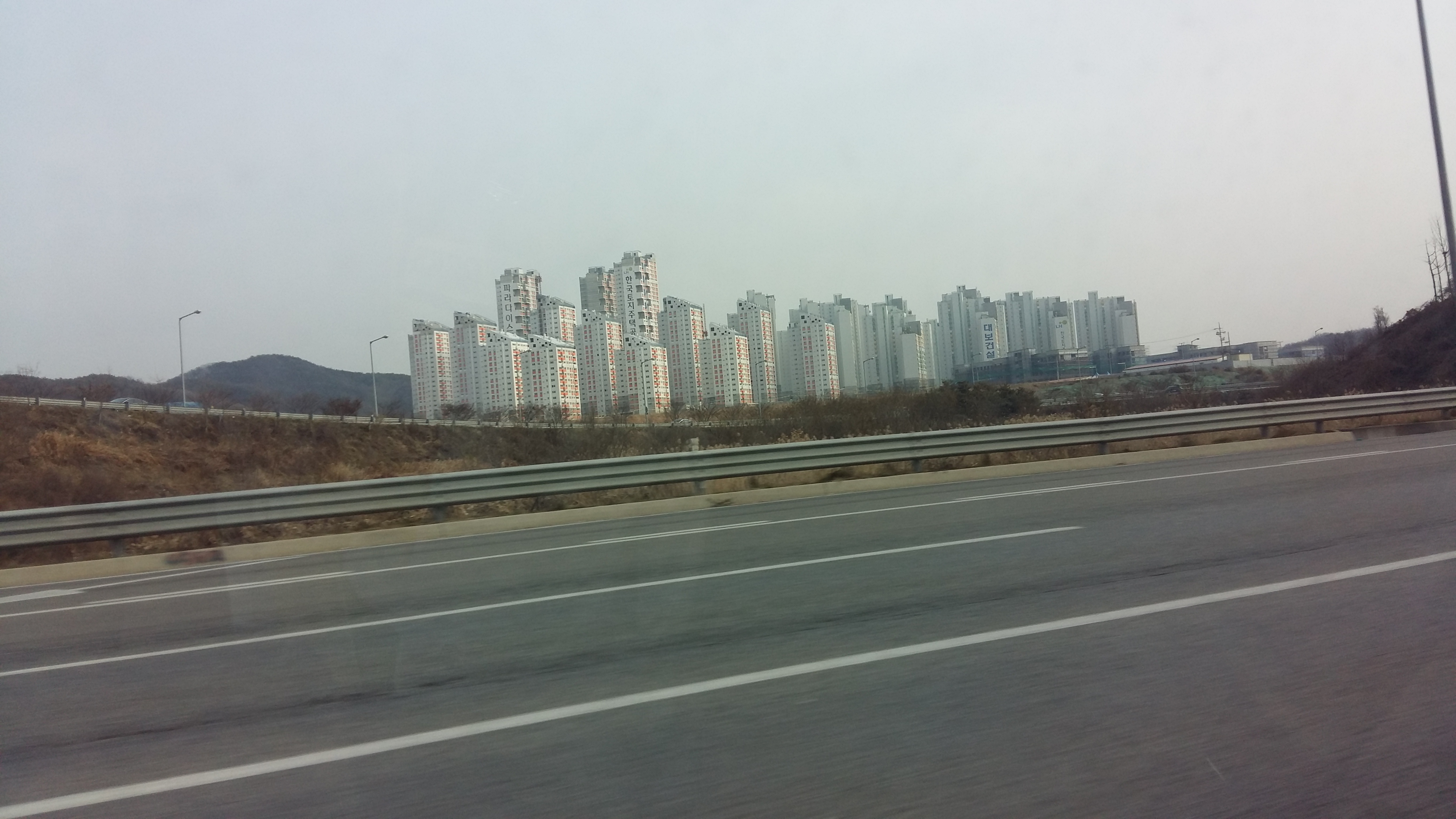

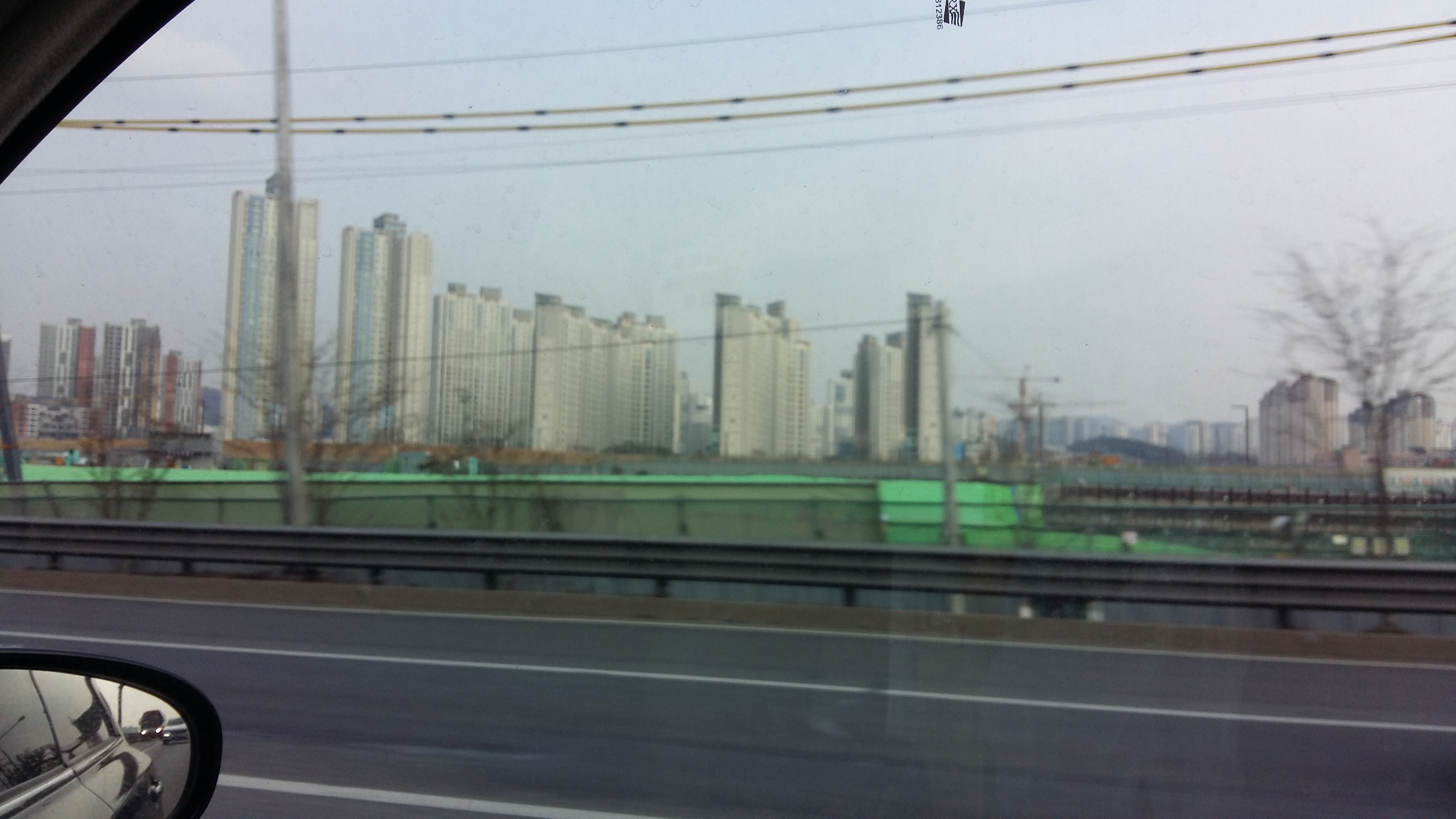

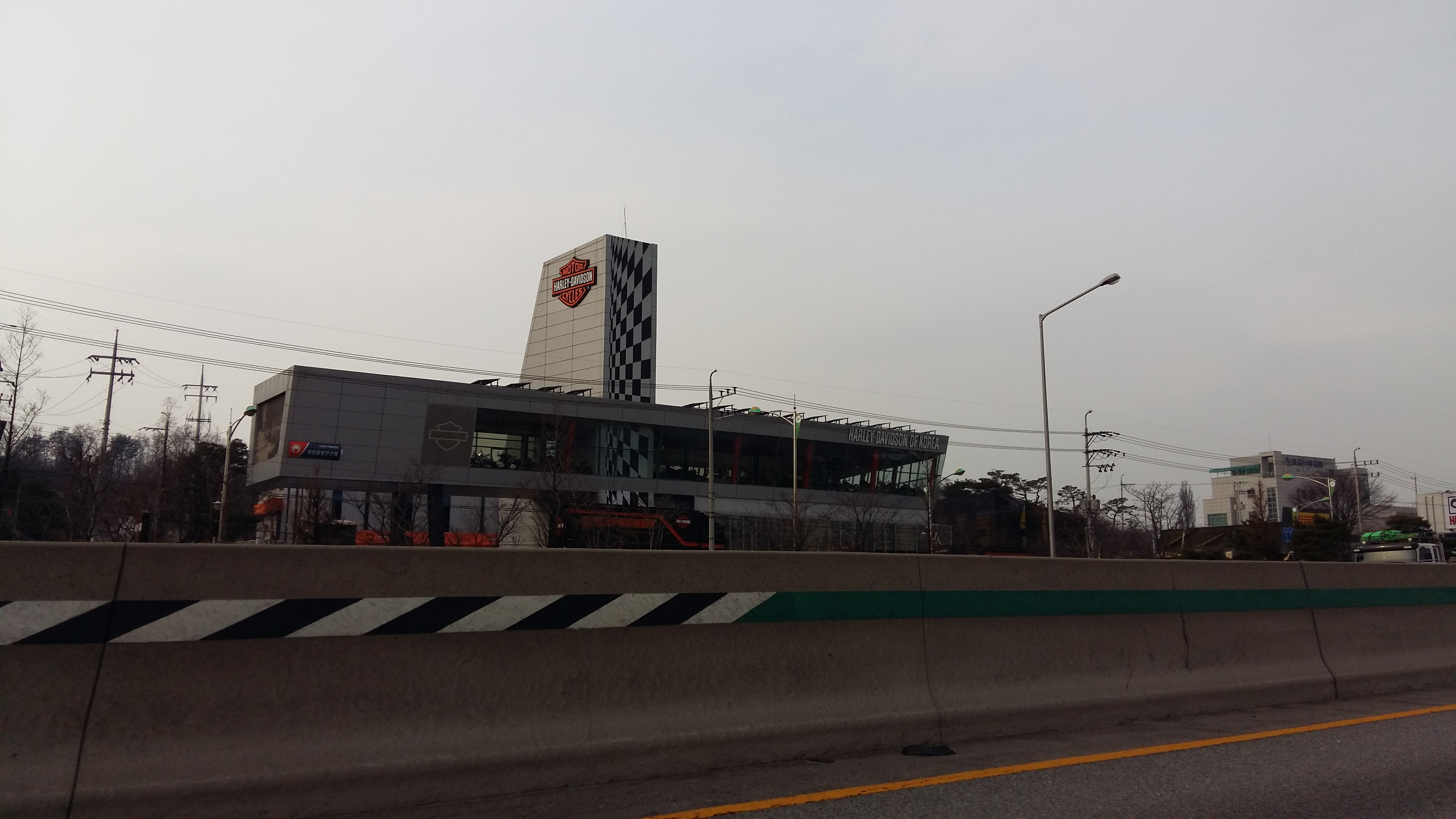


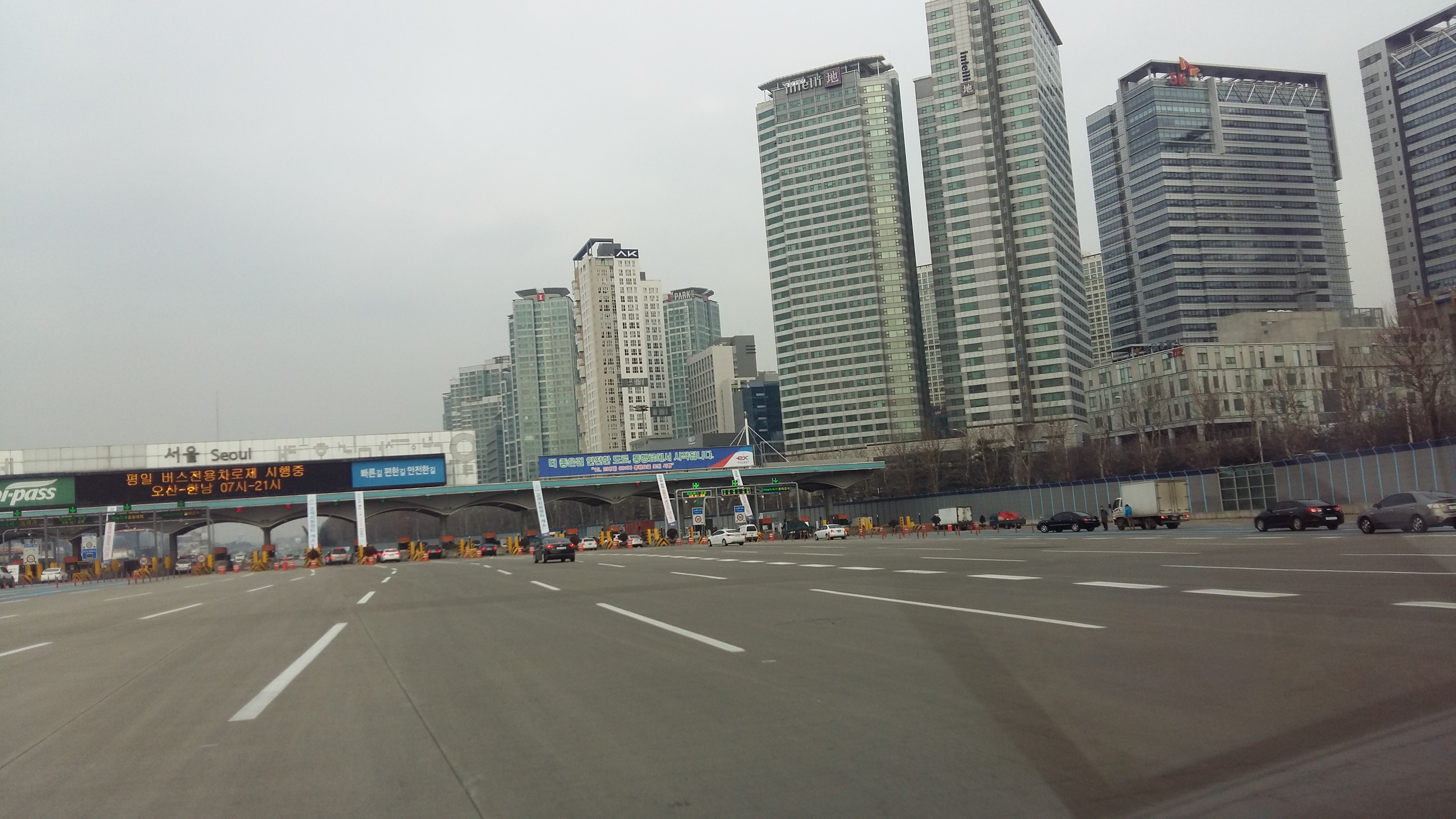


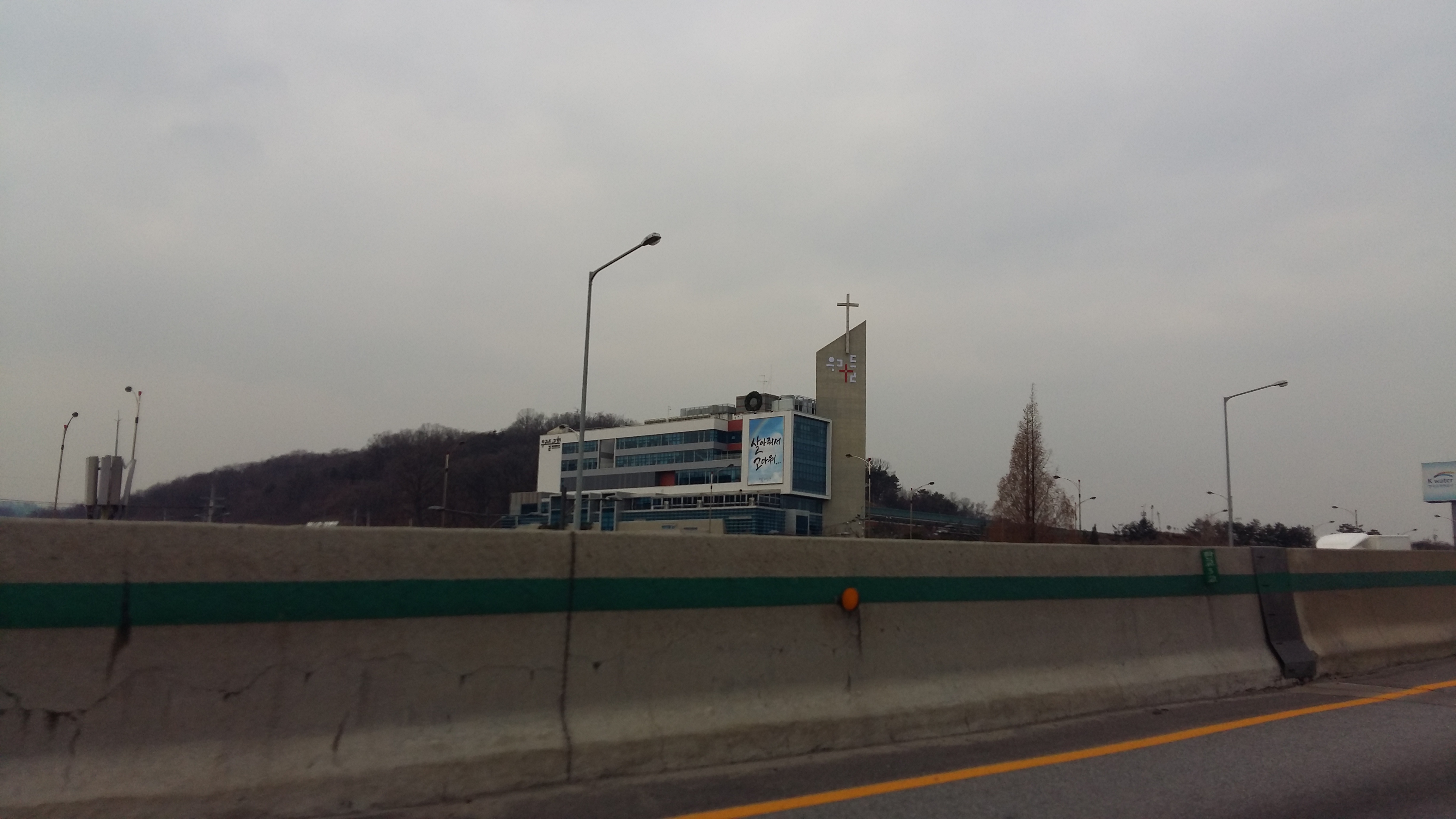
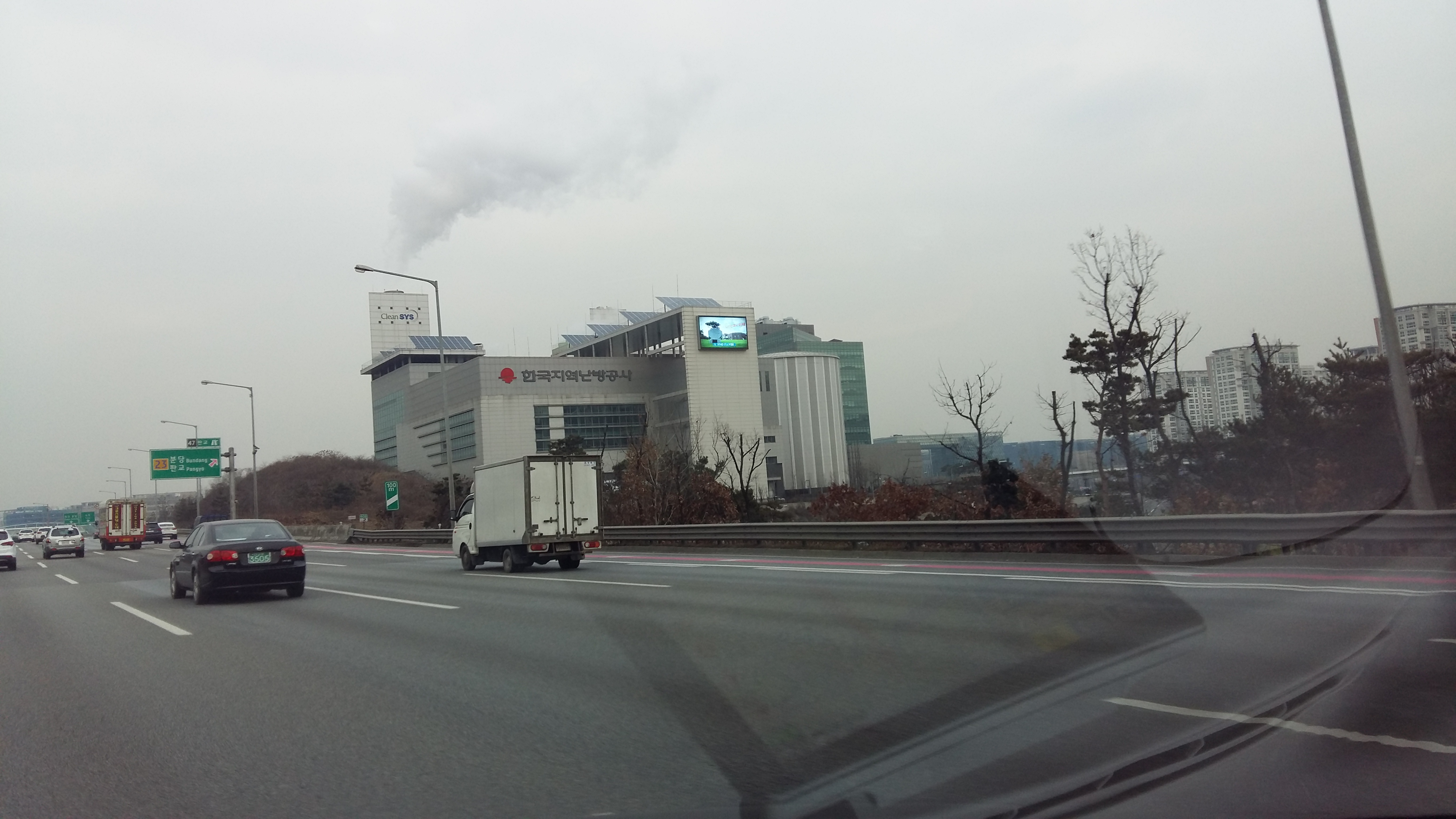

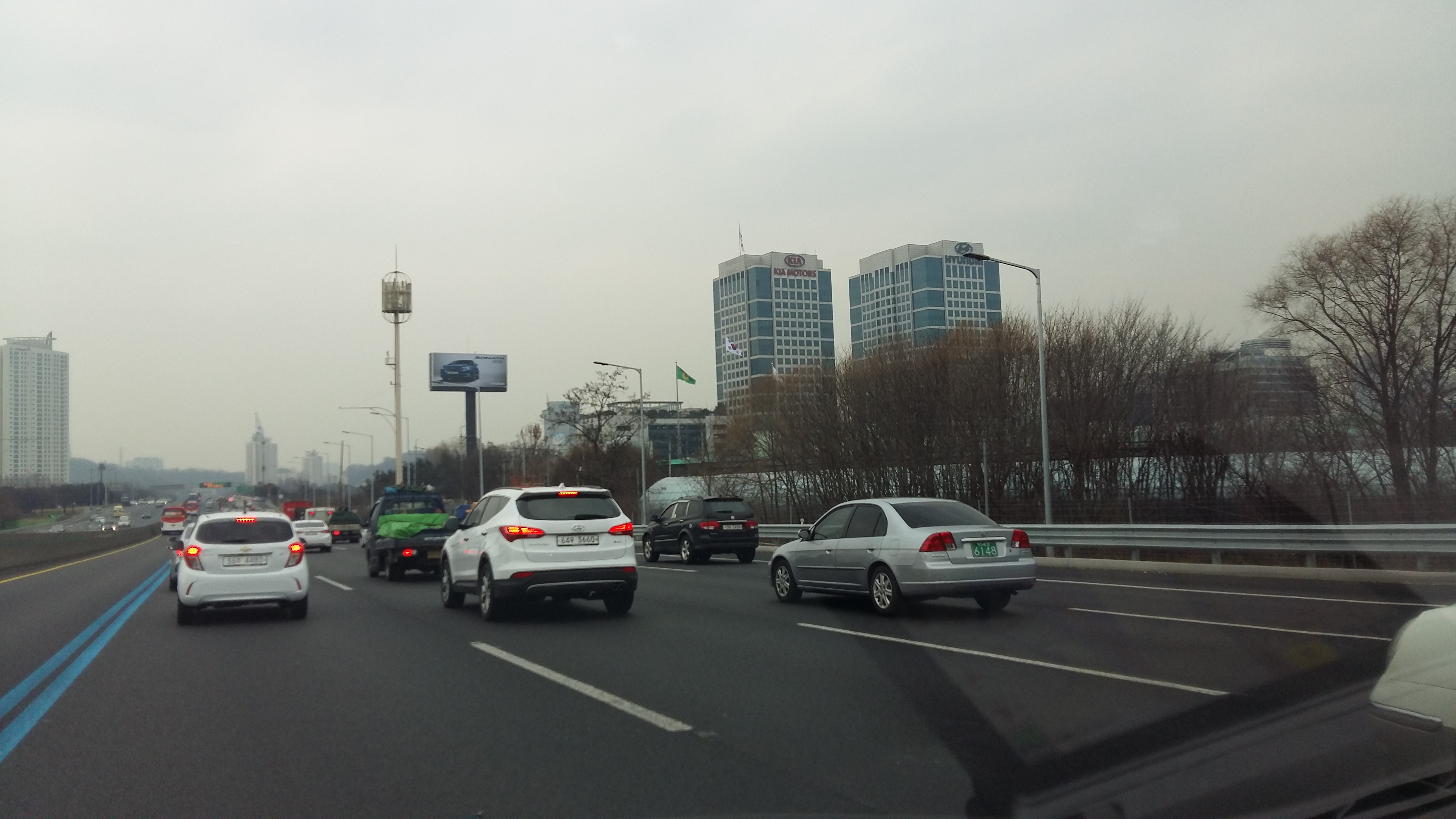





![20150723_124604[1]](https://chaplainnews.com/wp-content/uploads/2015/07/20150723_1246041.jpg)







































 Chaplain News from the Front